
In construction, landscaping, interior design, and industrial production, one cost factor quietly eats into long-term budgets: maintenance.
Cracks, corrosion, repainting, replacements, and constant repairs can turn what looked like a “cheap option” into an expensive cycle over time.
This is where fiberglass manufacturing, like the solutions offered by Dipsy Fiberglass stands out. It’s not just about durability; it’s about cutting long-term maintenance costs significantly while maintaining performance and aesthetics.
Let’s break down exactly how fiberglass achieves this.
What Makes Fiberglass Different?
Fiberglass is a composite material made from fine glass fibers reinforced with resin. This combination creates a material that is:
- Lightweight yet strong
- Resistant to corrosion
- Weatherproof
- Long-lasting
- Low maintenance
Unlike wood, metal, or concrete, fiberglass does not degrade quickly under environmental stress. That single advantage is what drives most of its cost savings.
1. Fiberglass Eliminates Frequent Repairs
Traditional materials often require ongoing repairs:
- Wood rots and needs replacement
- Metal rusts and needs welding or repainting
- Concrete cracks and requires patching
Fiberglass, on the other hand, is highly resistant to these common issues.
Because it doesn’t easily crack, rust, or warp, the need for regular repairs drops dramatically, saving both labour and material costs over time.
2. No Rust, No Corrosion, No Problem
In industries exposed to moisture, chemicals, or outdoor conditions, corrosion is one of the biggest maintenance expenses.
Fiberglass is naturally non-corrosive, meaning:
- No rusting like steel
- No oxidation like aluminium
- No chemical breakdown in harsh environments
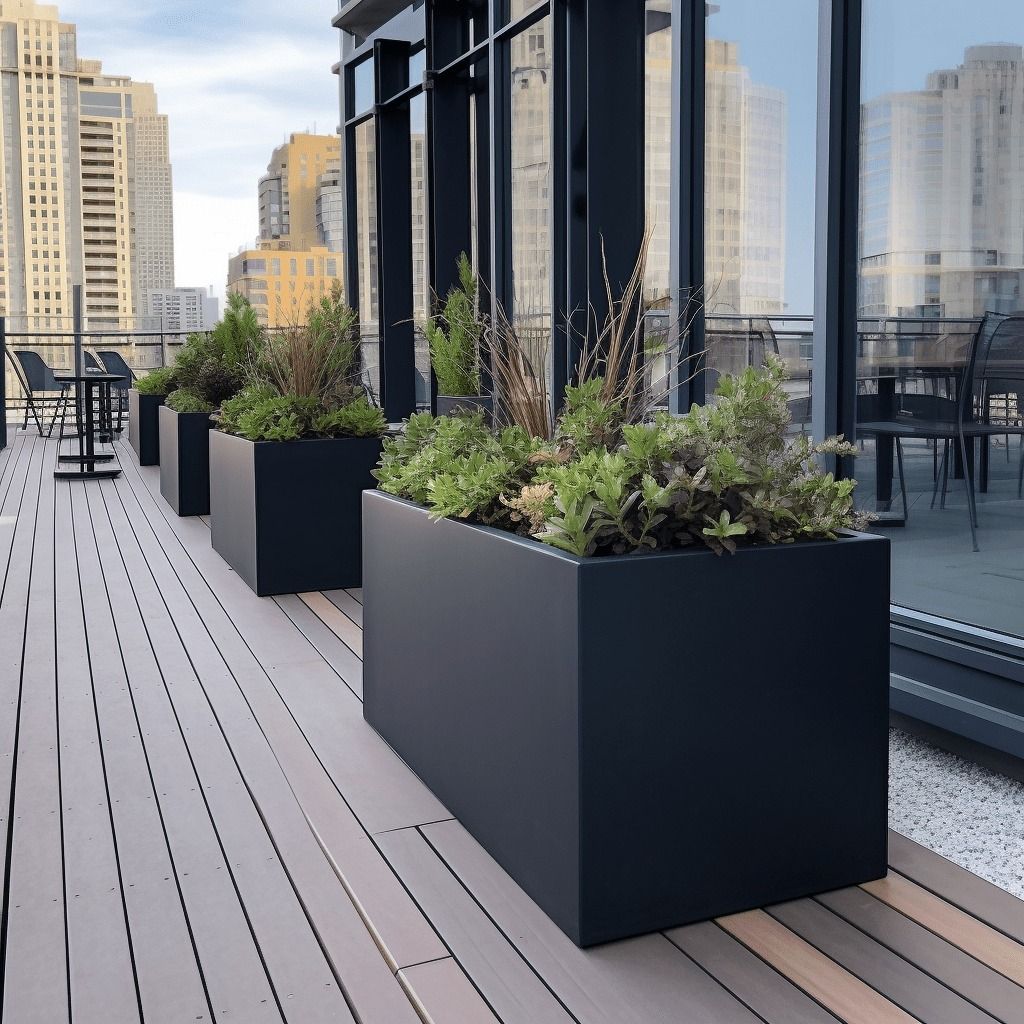
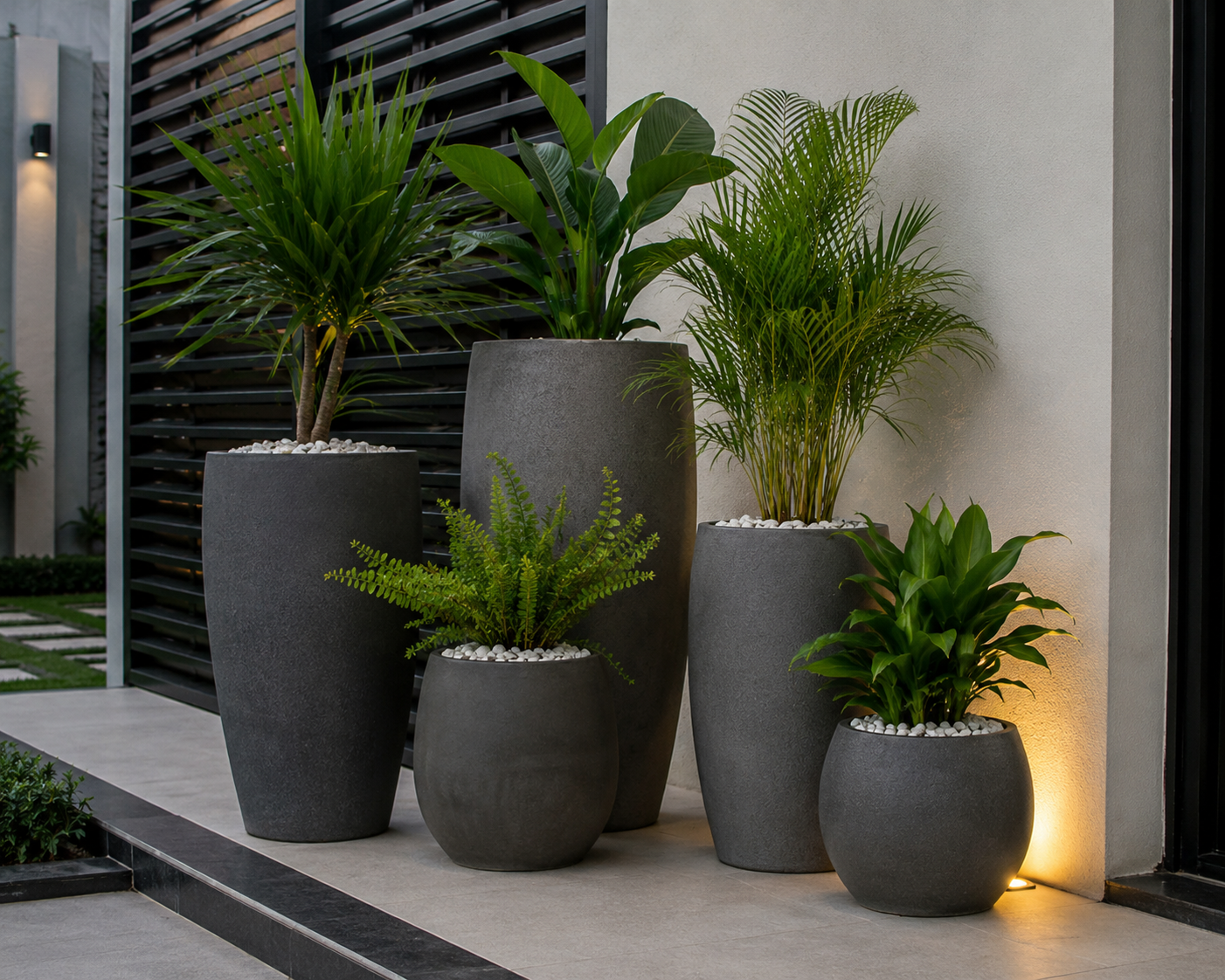
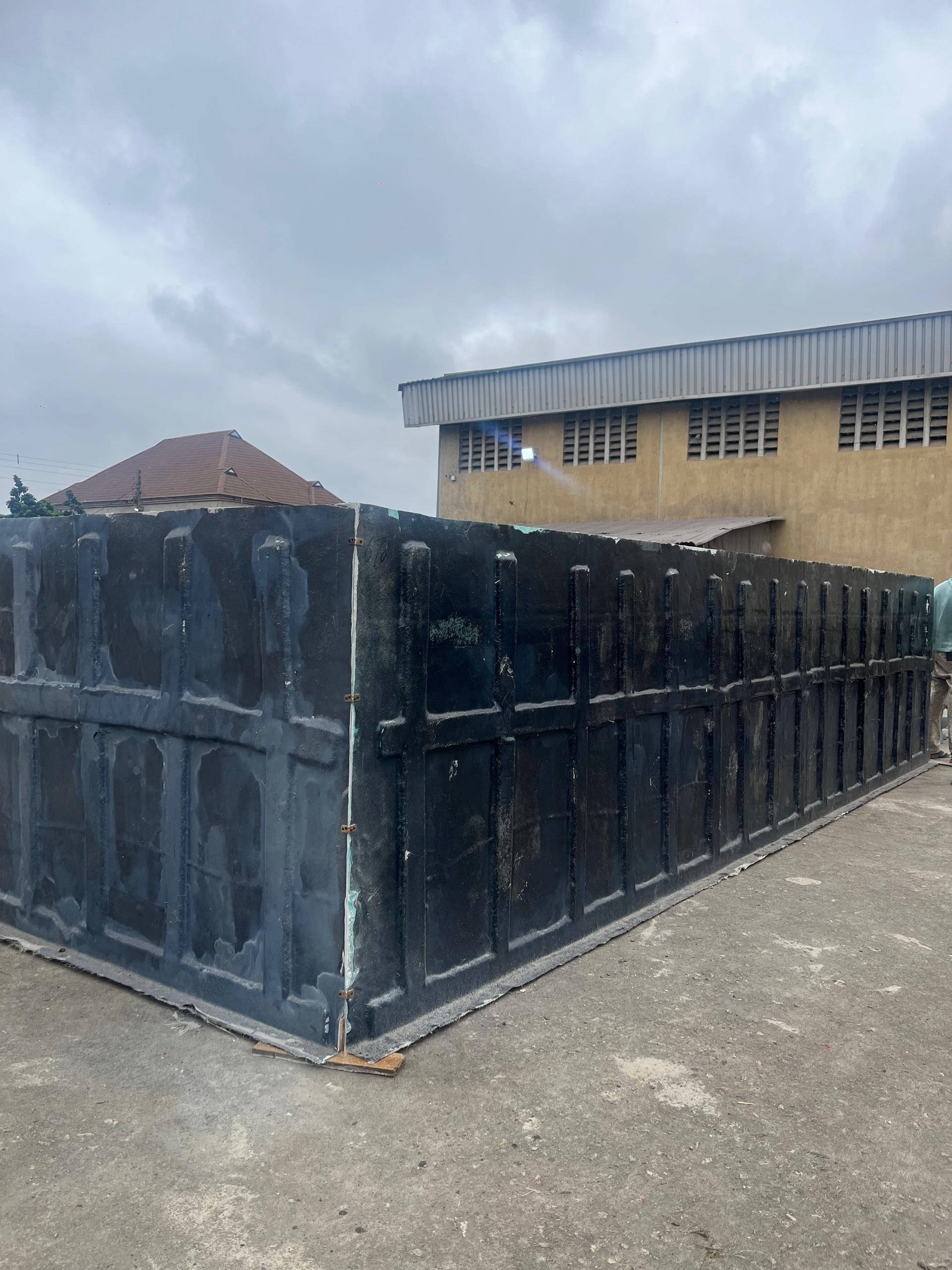
This makes it especially valuable for industrial tanks, outdoor structures, planters, and architectural installations.
3. Minimal Painting and Surface Treatment
Many materials require frequent repainting or sealing to maintain appearance and protection.
Fiberglass products typically:
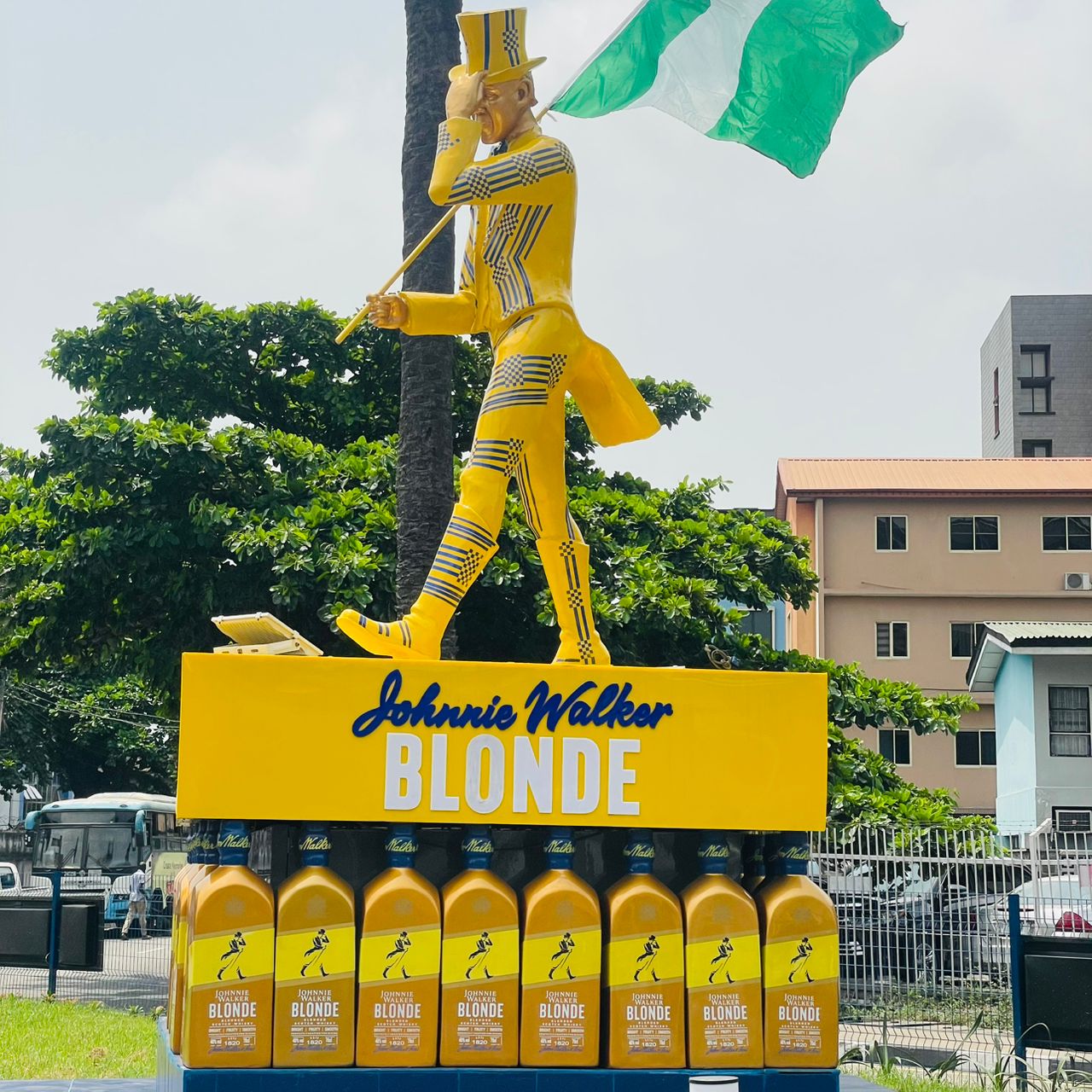
- Retain their finish for years
- Do not require constant repainting
- Resist fading and surface degradation
This reduces recurring maintenance cycles and eliminates the cost of paints, sealants, and labour.
4. Long Lifespan Reduces Replacement Costs
The true cost of any material is not just installation; it’s replacement.
Fiberglass products often last significantly longer than traditional alternatives because they resist:
- Weather damage
- UV exposure
- Moisture absorption
- Structural fatigue
Fewer replacements mean lower capital expenditure over time, which is especially important for businesses managing multiple installations or assets.
5. Lightweight Design Lowers Handling and Installation Costs
Fiberglass is much lighter than steel, wood, or concrete alternatives.
This leads to:
- Easier transportation
- Lower installation labour costs
- Reduced equipment requirements
- Faster project completion
Even maintenance work becomes easier because components are easier to handle, move, or reposition.
6. Weather Resistance Means Less Seasonal Maintenance
Outdoor materials often suffer from seasonal damage, especially in harsh climates.
Fiberglass withstands:
- Heavy rainfall
- Heat exposure
- Humidity changes
- UV radiation
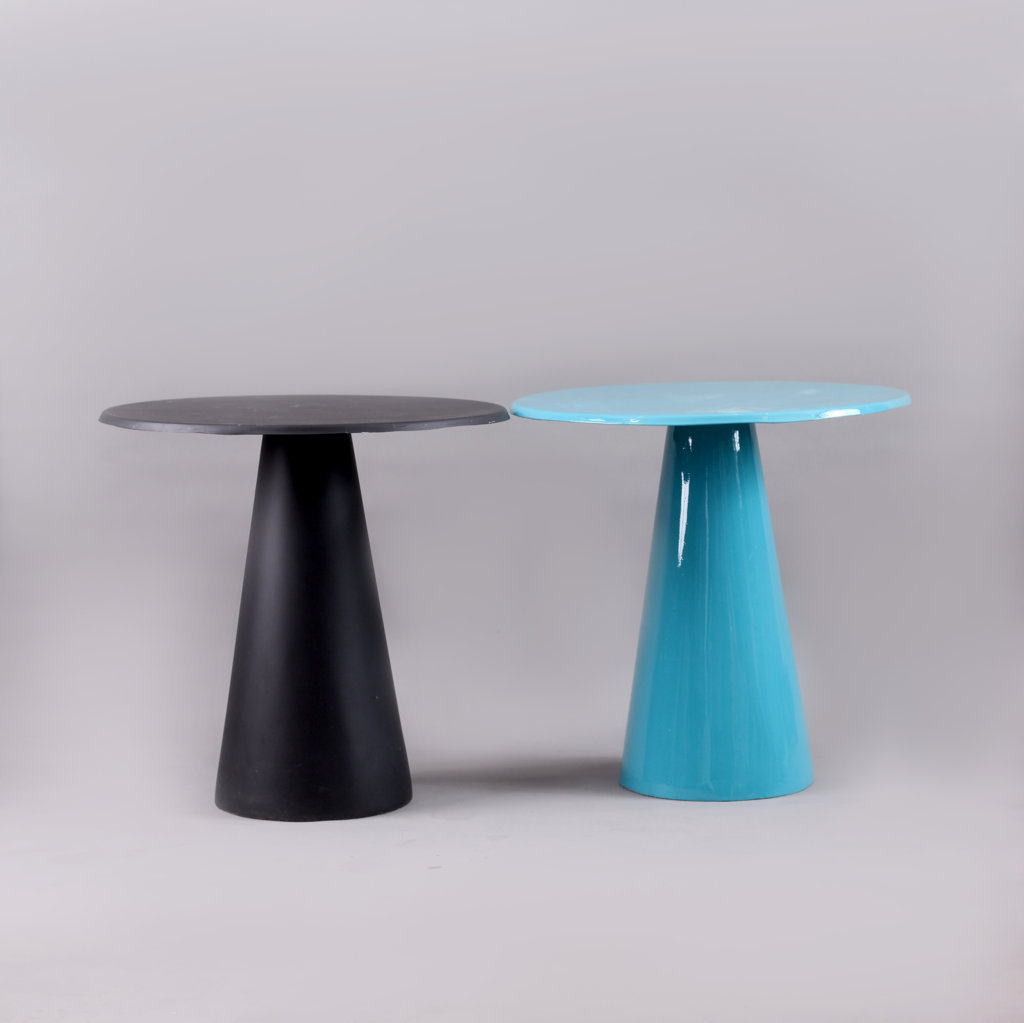
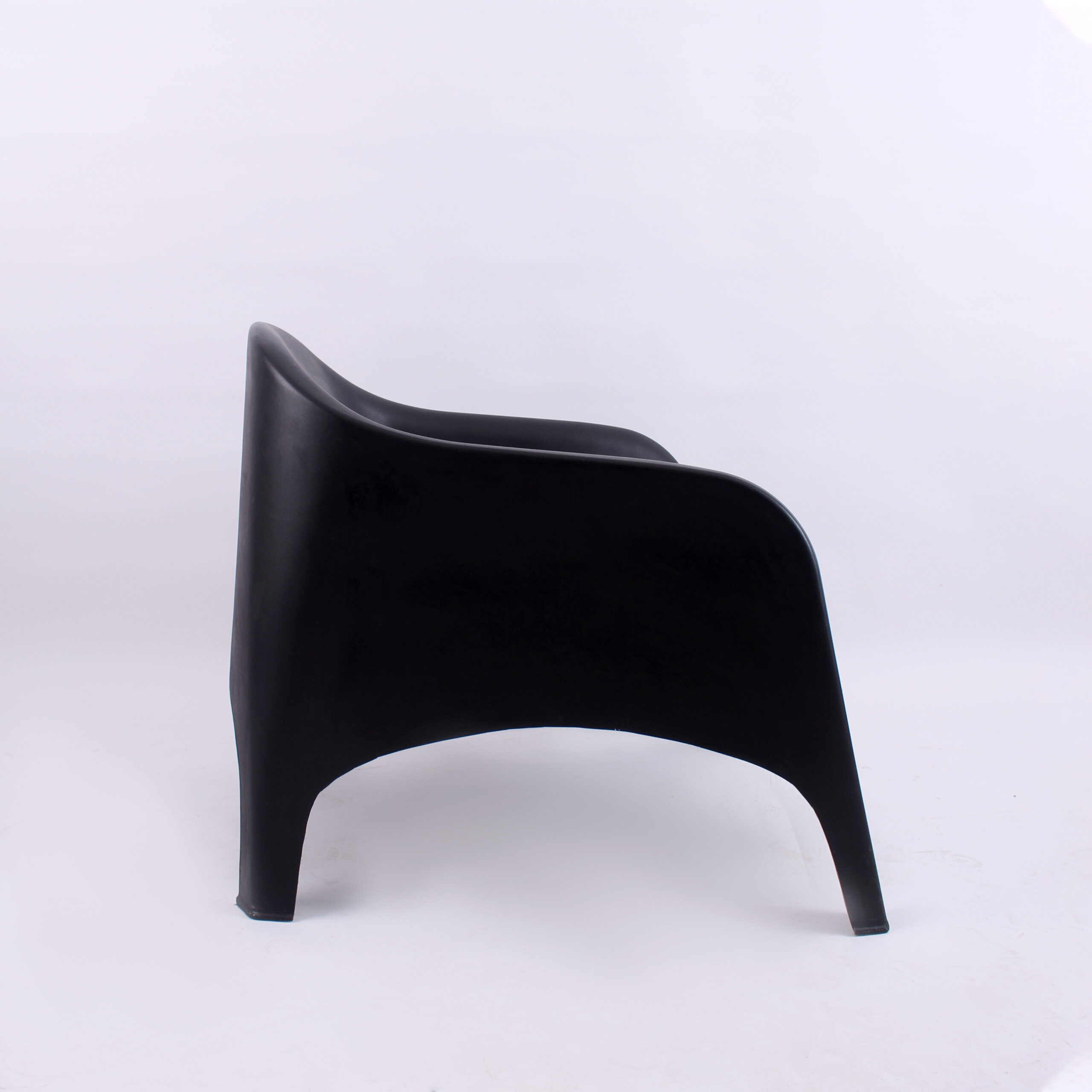
Because it does not swell, crack, or warp, seasonal maintenance tasks are significantly reduced or eliminated.
7. Consistent Performance Over Time
One of the hidden maintenance costs in many materials is performance decline. As materials degrade, they require more frequent inspections, adjustments, or reinforcements.
Fiberglass maintains structural integrity over time, which means the following:
- Fewer inspections
- Lower risk of unexpected failures
- Reduced downtime for repairs
For businesses, this translates into better operational efficiency and fewer disruptions.
Why Dipsy Fiberglass Is a Cost-Efficient Choice
At Dipsy Fiberglass, the focus is not only on producing durable fiberglass products but also on helping clients reduce long-term operational costs.
By using high-quality fiberglass manufacturing techniques, products are designed to:
- Last longer in demanding environments
- Require minimal upkeep
- Reduce lifecycle costs
- Deliver consistent performance
For industrial applications, architectural use, or decorative products, fiberglass offers a smarter financial decision over time.