Our climate doesn’t make things easy for outdoor materials. One moment, it’s intense heat and strong sunlight. Next, it’s heavy rain, high humidity, and long stretches of moisture in the air. In many parts of the country, materials used outdoors are constantly under pressure.
That’s where fiberglass stands out.
It’s not loud or complicated; it simply holds up better than many traditional materials in real Nigerian weather conditions.
Built for Heat Without Breaking Down
Heat is one of the biggest challenges for outdoor materials in Nigeria.
Some materials react quickly:
- Plastic can warp or become brittle
- Wood can dry out, crack, or fade
- Metal can expand and eventually corrode if exposed long enough
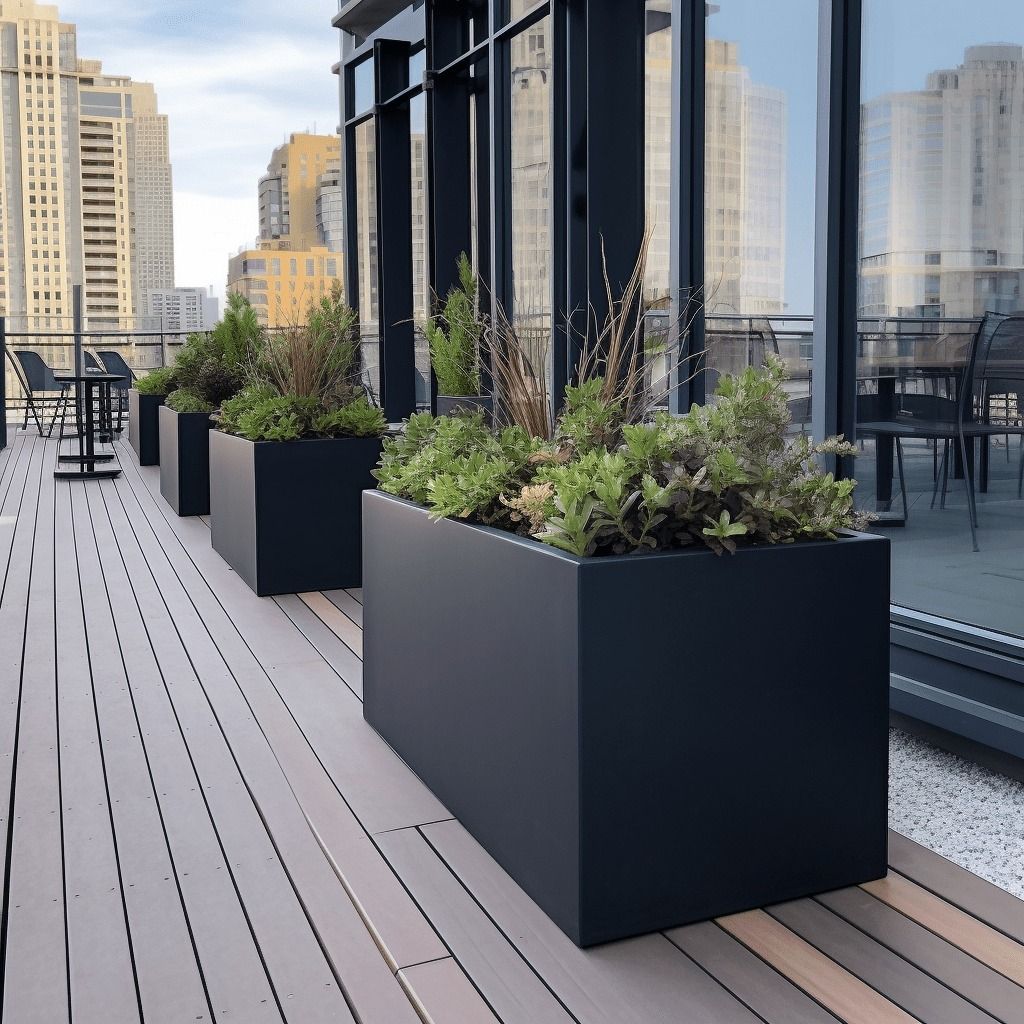
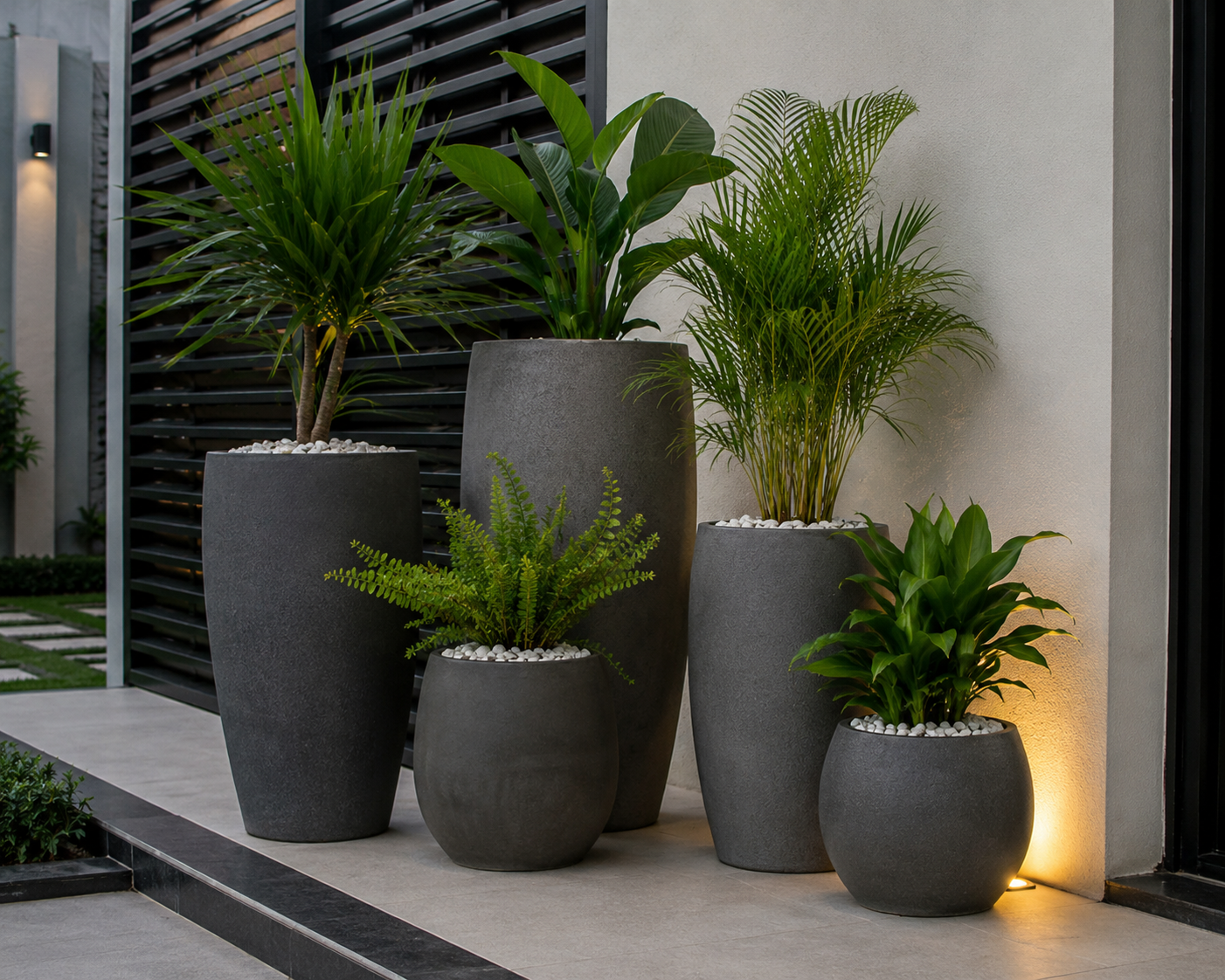
Fiberglass behaves differently. It doesn’t warp easily under heat, and it keeps its structure even when temperatures rise. That makes it especially useful for outdoor furniture, planters, signage, and decorative installations exposed to direct sunlight for long hours.
Instead of reacting to heat, fiberglass stays stable.
Handles Heavy Rain Without Weakening
As you know, in Nigeria, rainfall isn’t always occasional; sometimes it can be intense and prolonged.
This is where fiberglass performs well again.
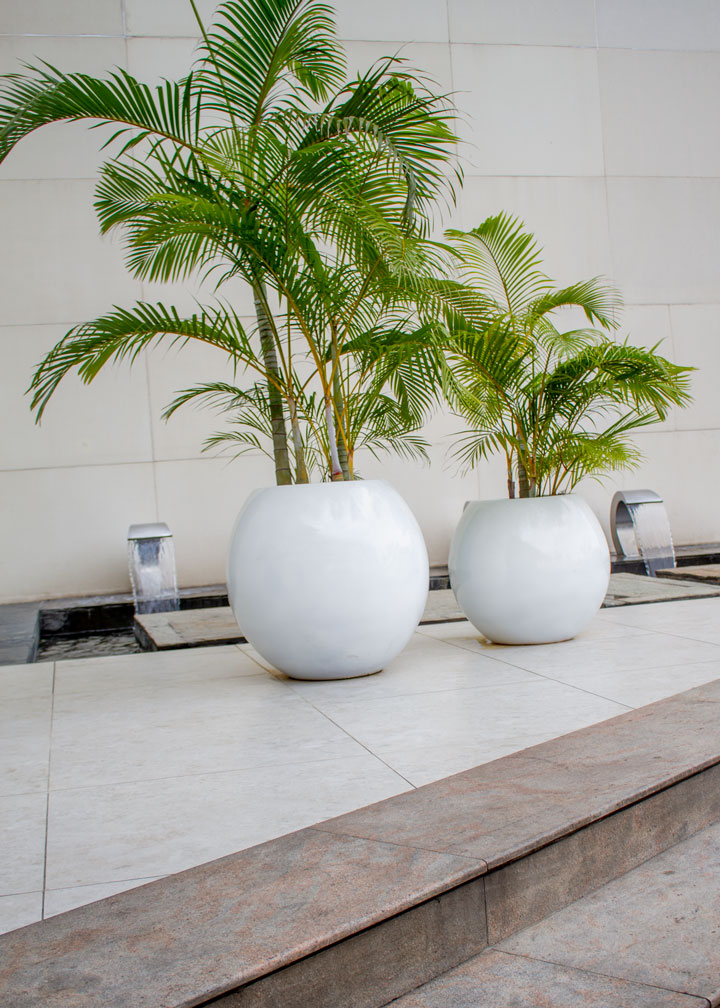
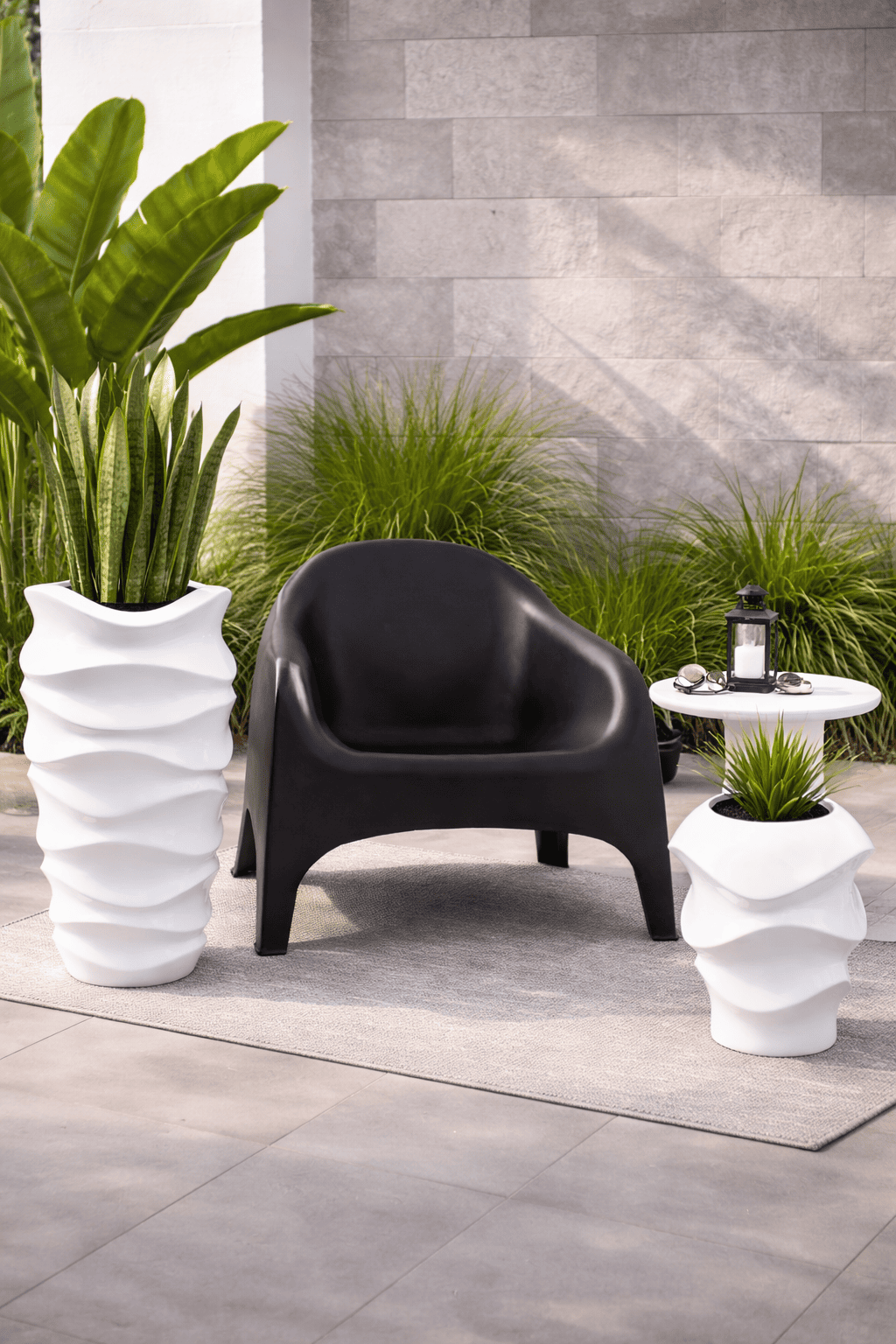
Unlike materials that absorb water or degrade over time, fiberglass:
- Does not rot
- Does not swell
- Does not weaken from moisture exposure
Even after repeated exposure to rain, it maintains its shape and strength.
This is especially important for outdoor items that are expected to stay in place year-round.
Humidity Doesn’t Affect It the Same Way
High humidity is another silent challenge.
Over time, moisture in the air can affect materials in ways that are not immediately visible:
- Metal may begin to rust
- Wood may develop mould or swell
- Paint finishes may start peeling
Fiberglass is far less reactive.
Because it is a composite material, it doesn’t absorb moisture in the same way, making it more stable in humid environments common across coastal and inland regions.
Low Maintenance in Real-Life Conditions
One of the most practical advantages of fiberglass in Nigeria is how little it demands after installation.
There’s no need for constant
- Repainting
- Anti-rust treatment
- Sealing or polishing
- Repairs due to weather damage
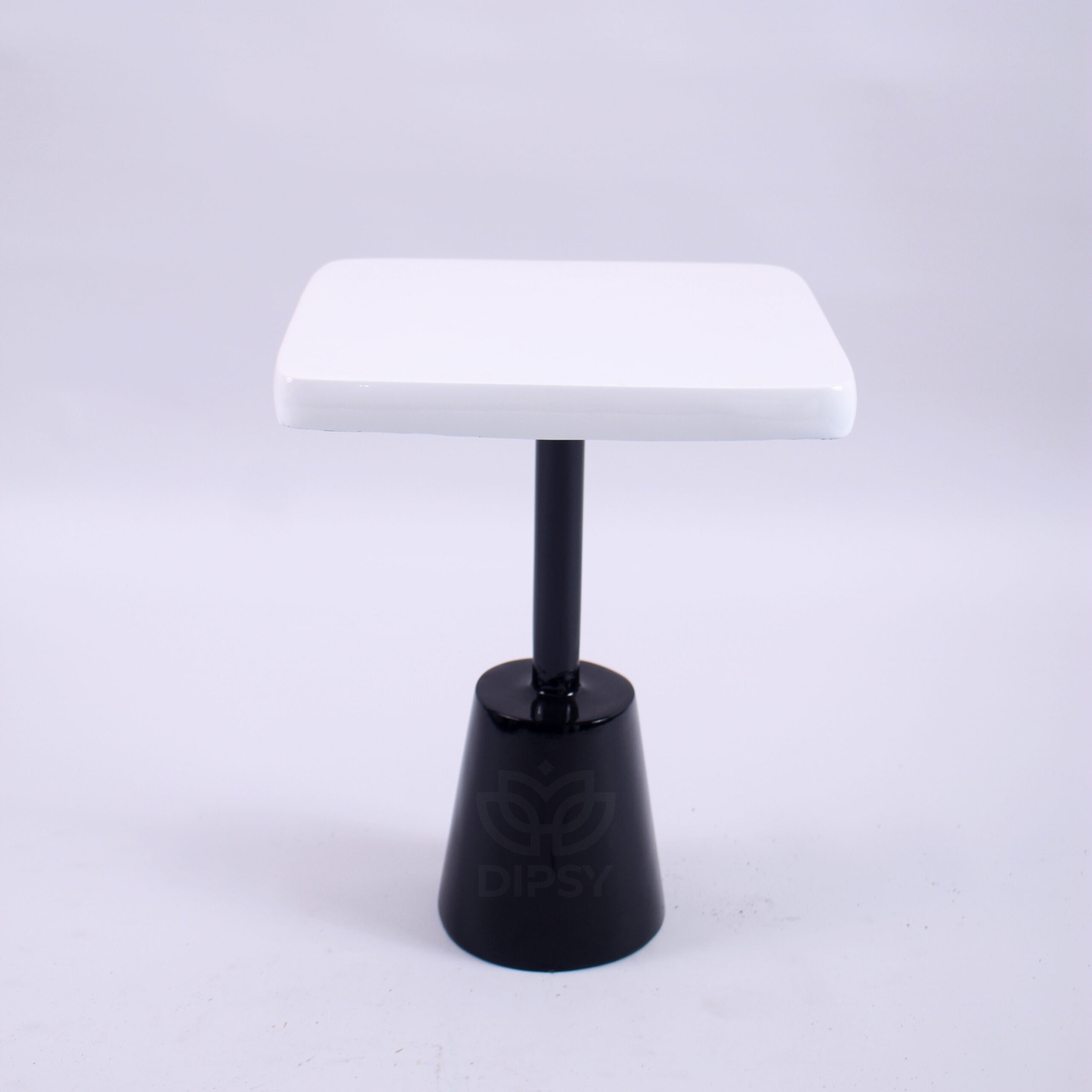

Most of the time, a simple cleaning is enough to keep it looking good.
In a climate where outdoor maintenance can quickly become expensive or time-consuming, this makes a real difference.
Lightweight but Strong Enough for Outdoor Use
Another reason fiberglass works well in Nigeria is its balance between strength and weight.
It is:
- Light enough to move when needed
- Strong enough to stay stable outdoors
- Easy to install in both residential and commercial spaces
This flexibility is useful for homes, hotels, office landscapes, and public spaces where layouts may need occasional adjustments.
Ideal for Outdoor Design in Nigeria
Fiberglass is increasingly used across Nigeria in areas such as
- Outdoor planters
- Garden furniture
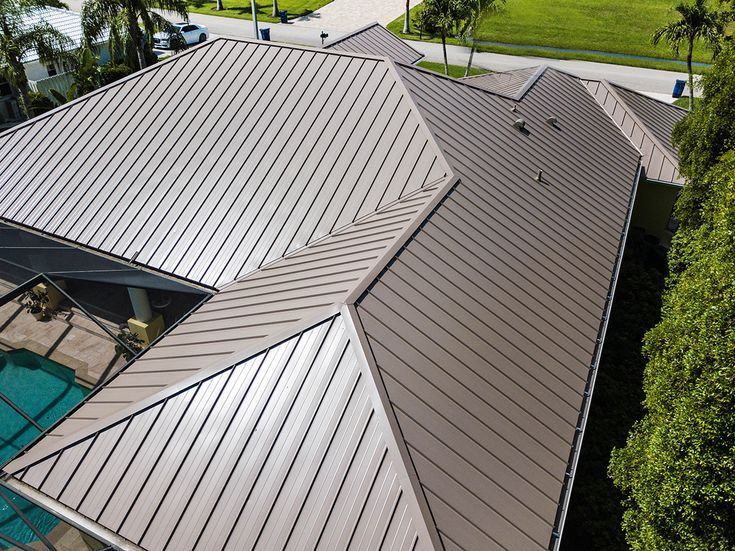
- Architectural features
- Commercial landscaping
- Decorative installations
It fits well in both modern and traditional design settings because it doesn’t fight the environment—it adapts to it.
Long-Term Value in a Demanding Climate
When choosing materials in Nigeria, the real question is often not just “how does it look?” but “how long will it last here?”
Fiberglass performs well because it:
- Withstands heat
- Resists moisture
- Handles humidity
- Requires minimal upkeep
- Maintains appearance over time
This combination makes it a practical long-term choice, not just a design trend. This is why fiberglass is used practically across diefferent iindustries. Read more: 10 Industries That Use Fiberglass Because It Works So Well
Conclusively, we focus on: creating fiberglass solutions designed to perform in real Nigerian conditions, where heat, rain, and humidity are part of everyday life.