
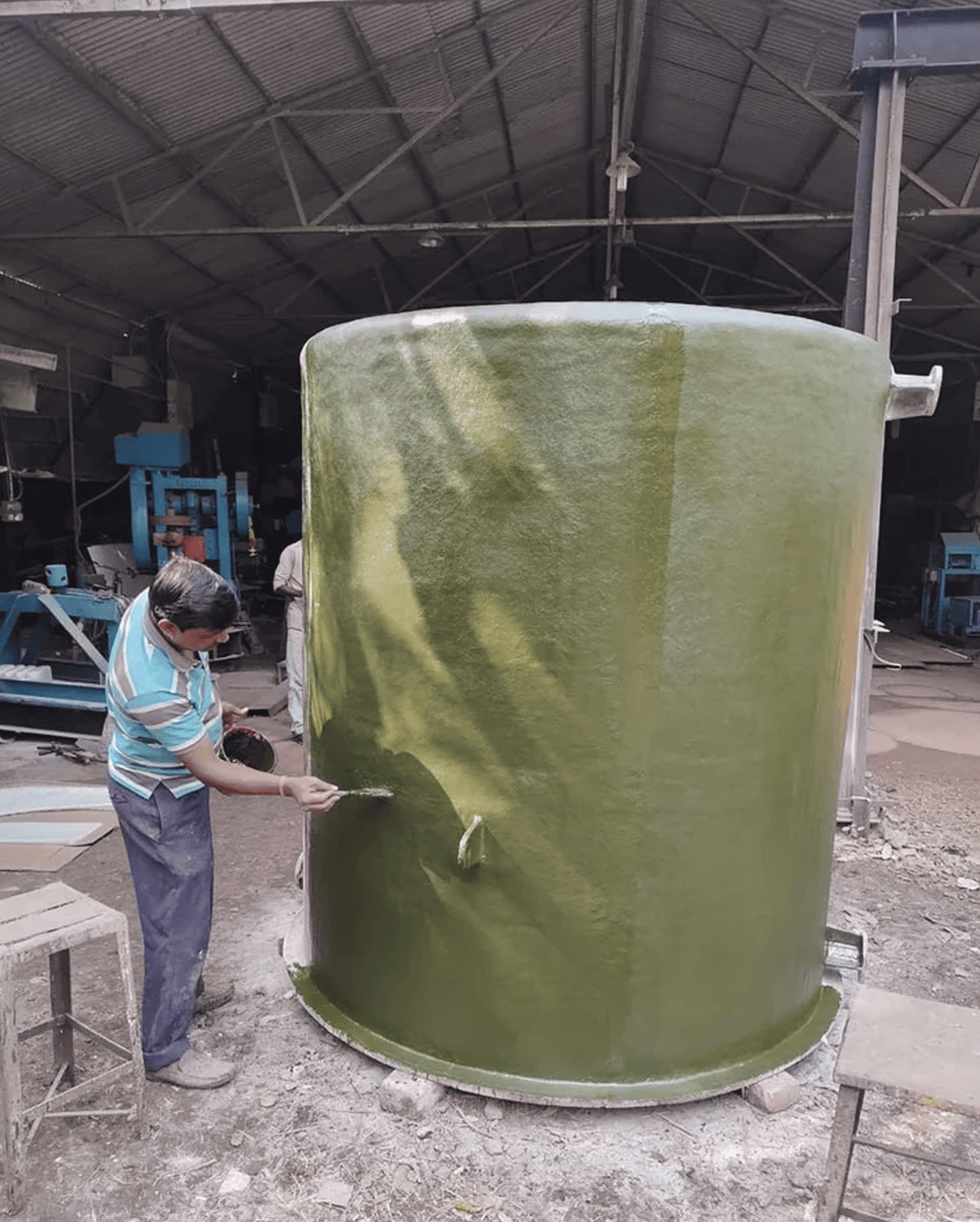
When you’re buying a water or storage tank, it’s easy to focus on one thing: price. But the purchase price is only part of the story. A tank that costs less today may need replacing much sooner, while one that costs more upfront could deliver reliable performance for decades.
That raises an important question:
Should you choose a fiberglass tank or a plastic tank?
The answer depends on what you’ll use it for, where it will be installed, and how long you expect it to last. In this guide, we’ll compare both options in simple terms so you can make an informed decision.
What Is a Fiberglass Tank?
A fiberglass tank is made by combining glass fibers with high-strength resin. The result is a lightweight but exceptionally strong structure that resists corrosion, weather, chemicals, and physical impact.
Fiberglass tanks are widely used in:
- Water storage
- Chemical processing
- Agriculture
- Manufacturing plants
- Wastewater treatment
- Commercial buildings
Because of their strength, they’re often chosen for applications where reliability is essential.
What Is a Plastic Tank?
Plastic tanks are typically manufactured from polyethene (PE), a lightweight material commonly used for residential water storage.
Plastic tanks are popular because they are
- Affordable
- Lightweight
- Easy to transport
- Suitable for basic domestic water storage
However, their performance can vary depending on environmental conditions and how heavily they’re used.
Fiberglass Tank vs Plastic Tank: The Key Differences
1. Strength
Fiberglass tanks are designed to handle significant stress without losing their shape. They perform well under heavy loads and demanding operating conditions.
Plastic tanks are flexible by design. While this flexibility can absorb minor impacts, it also means the tank may bulge or deform when holding large volumes or under prolonged pressure.
2. Lifespan
A quality fiberglass tank can remain in excellent condition for decades with proper installation and routine maintenance.
Plastic tanks also offer a respectable service life but are generally more susceptible to wear from prolonged exposure to sunlight, temperature changes, and physical stress.
If you’re looking for a long-term investment, fiberglass usually offers greater durability
3. Resistance to Weather
Nigeria’s climate presents unique challenges. High temperatures, heavy rainfall, and intense sunlight can affect outdoor storage equipment.
Fiberglass performs exceptionally well in harsh weather because it resists UV exposure, moisture, and temperature fluctuations without becoming brittle or weakening over time.
Plastic tanks are often manufactured with UV stabilisers, but prolonged exposure to harsh sunlight may eventually affect their appearance and structural integrity.
4. Corrosion Resistance
Both fiberglass and plastic resist rust because neither material contains metal.
However, fiberglass is particularly effective in environments involving chemicals, saltwater, fertilisers, and industrial liquids, making it a preferred choice for commercial and industrial applications.
5. Maintenance
Neither option requires extensive maintenance.
Fiberglass tanks maintain their structural integrity for many years and are less likely to crack under normal operating conditions.
Plastic tanks are also relatively easy to maintain, but accidental punctures or deformation may require repairs or replacement.
6. Weight
Plastic tanks are lighter than fiberglass tanks, making them easier to transport and install.
If portability is your highest priority, plastic has an advantage.
7. Cost
Plastic tanks usually cost less initially, making them attractive for homeowners working within a limited budget.
Fiberglass tanks typically require a higher upfront investment, but they often deliver better value over time because of their longer lifespan and reduced replacement costs.
Instead of asking, “Which tank is cheaper?” it’s often more useful to ask, “Which tank will cost less over the next 20 years?”
Why Businesses Prefer Fiberglass Tanks
Many commercial facilities, factories, hotels, farms, and industrial operations choose fiberglass because equipment downtime can be expensive.
A durable tank means:
- Fewer repairs
- Lower maintenance costs
- Better resistance to harsh operating conditions
- Longer replacement intervals
For organisations that depend on reliable storage, these advantages often outweigh the higher upfront investment.
Let Dipsy Fiberglass Manufacture a Fiberglass Tank for You
Not all fiberglass tanks are manufactured to the same standard. The quality of the materials, production process, and workmanship all influence how well a tank performs over time.
At Dipsy Fiberglass, we manufacture fiberglass tanks engineered for strength, durability, and long-term performance. Beyond manufacturing, we work closely with clients to recommend storage solutions that match their operational needs, helping them invest in products built to perform for years, not just months.