Heat has a way of exposing weak materials. Paint fades, some plastics warp, and certain metals become too hot to handle after hours in the sun. So where does fiberglass fit in? Can it withstand heat, or is it just another material that performs well until temperatures rise?
The short answer is yes. Fiberglass is naturally resistant to heat, making it a popular material for products that spend years outdoors or operate in demanding environments. However, like any engineered material, its performance depends on how it’s manufactured and the conditions it’s exposed to.
Let’s take a closer look.
Why is fiberglass heat-resistant?
Fiberglass is made by combining fine glass fibres with resin to create a strong composite material.
The glass fibres provide strength and naturally resist heat, while the resin holds everything together and gives the material its shape. Together, they create a lightweight material that performs remarkably well in hot conditions.
This combination is one of the reasons fiberglass is widely used in products that remain outdoors throughout the year.
How much heat can fiberglass handle?
There isn’t a single temperature that applies to every fiberglass product.
Its heat resistance depends largely on the type of resin used during manufacturing.
Most standard fiberglass products are designed to withstand the high temperatures encountered in residential, commercial, and industrial environments without losing their structural integrity.
For specialised applications involving much higher temperatures, manufacturers can use heat-resistant resin systems that increase the material’s thermal performance.
Does direct sunlight damage fiberglass?
This is one of the most common concerns about fiberglass.
Quality fiberglass products are designed for outdoor use and can remain exposed to sunlight for many years.
Many manufacturers apply UV-resistant gel coats or protective finishes that help the surface resist fading, weathering, and premature ageing caused by prolonged sun exposure.
This makes fiberglass particularly suitable for countries with hot climates, where outdoor products experience intense sunlight for much of the year.
What happens if fiberglass is exposed to extreme heat?
Although fiberglass is heat-resistant, it isn’t heatproof.
If temperatures rise well beyond the limits the product was designed to handle, the resin may begin to weaken before the glass fibres themselves.
In extreme conditions, excessive heat can result in:
- Surface damage
- Discolouration
- Reduced structural strength
- Distortion of the product
Fortunately, these temperatures are far beyond what most fiberglass products encounter in everyday use.
Why fiberglass performs well outdoors
Outdoor products face more than just heat.
They must also withstand:
- Rain
- Humidity
- UV radiation
- Dust
- Changing temperatures
Fiberglass performs exceptionally well because it resists many of these challenges at the same time. Unlike metal, it doesn’t rust. Unlike wood, it doesn’t rot.
Unlike some plastics, it is less likely to soften or warp under prolonged exposure to heat when manufactured to high standards.
This combination of properties is why fiberglass has become a trusted material for outdoor applications.
Which fibreglass products benefit from heat resistance?
Heat resistance is one of the reasons fiberglass is used across a wide variety of products, including:
- Water storage tanks
- Swimming pools
- Decorative fountains
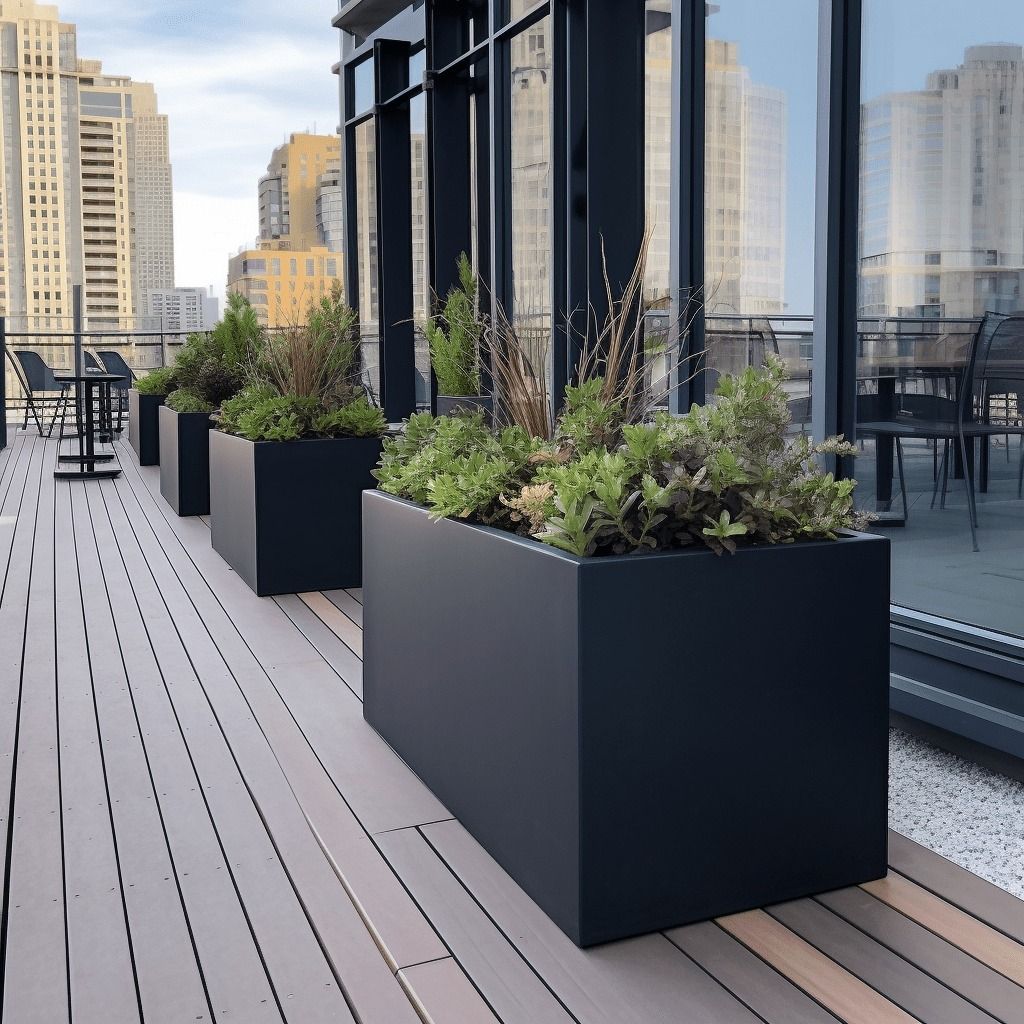
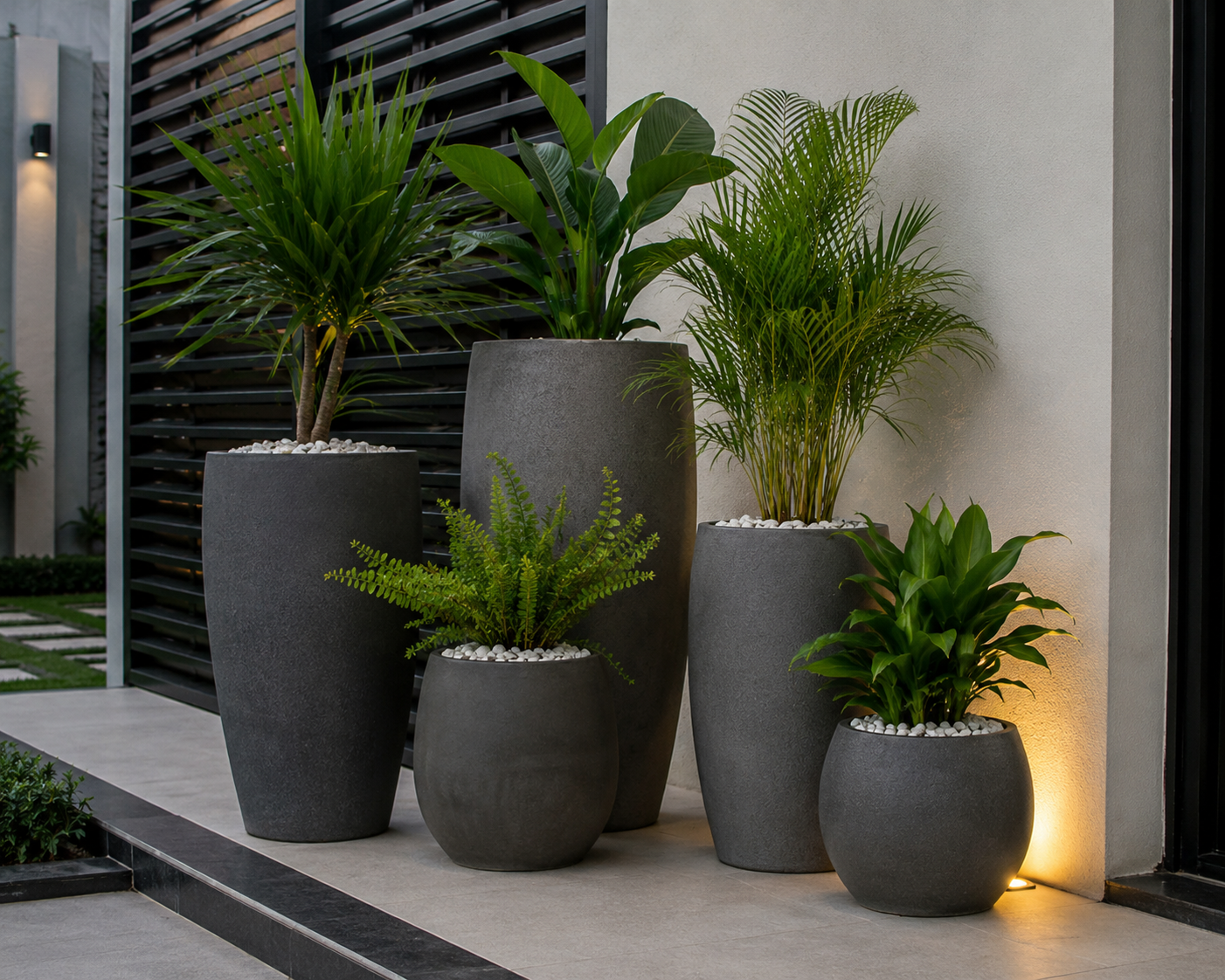
- Landscape planters
- Outdoor furniture
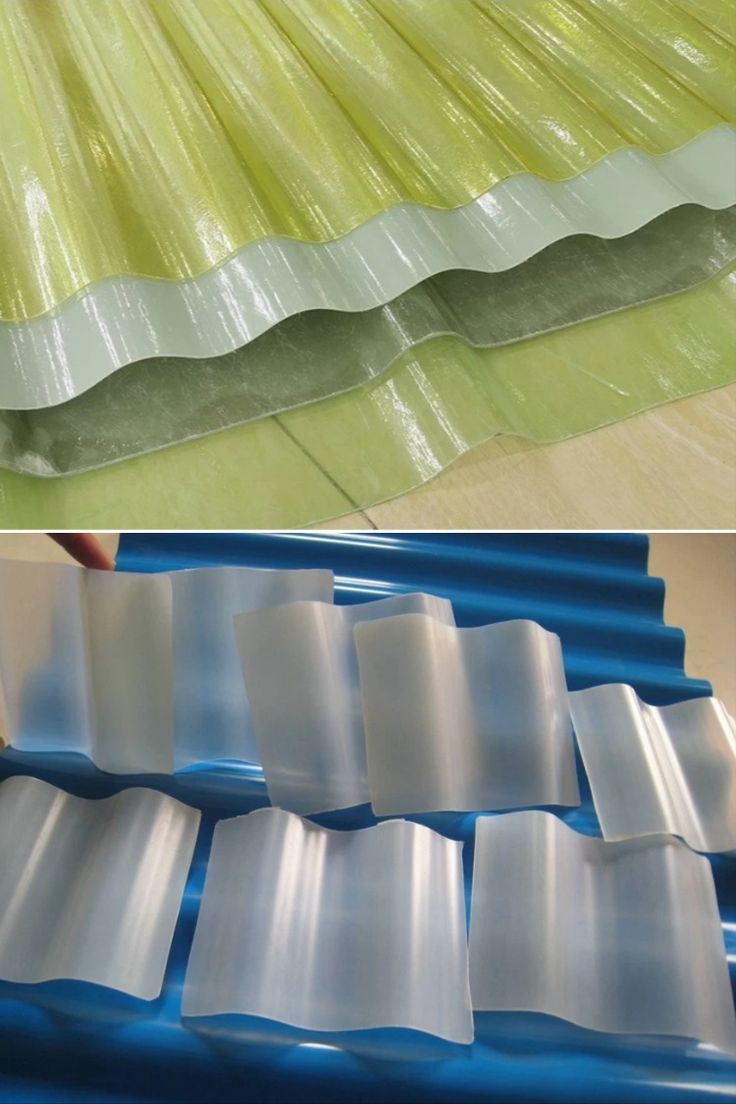
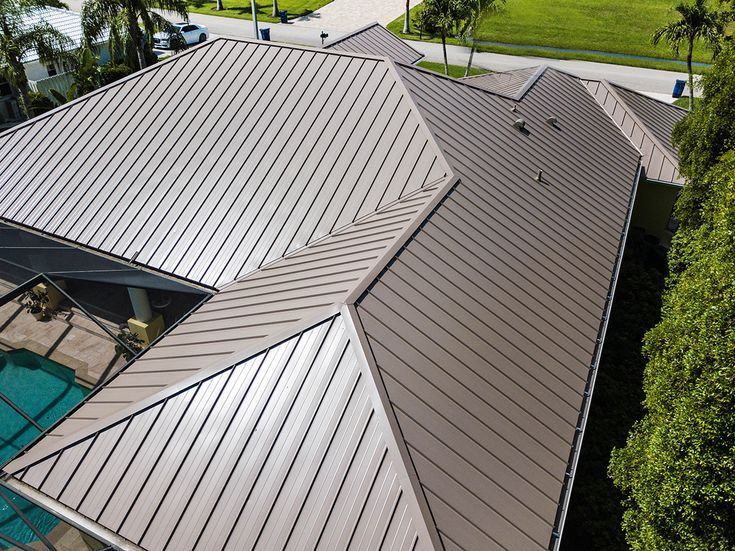
- Roofing components
- Architectural features
- Custom fiberglass products
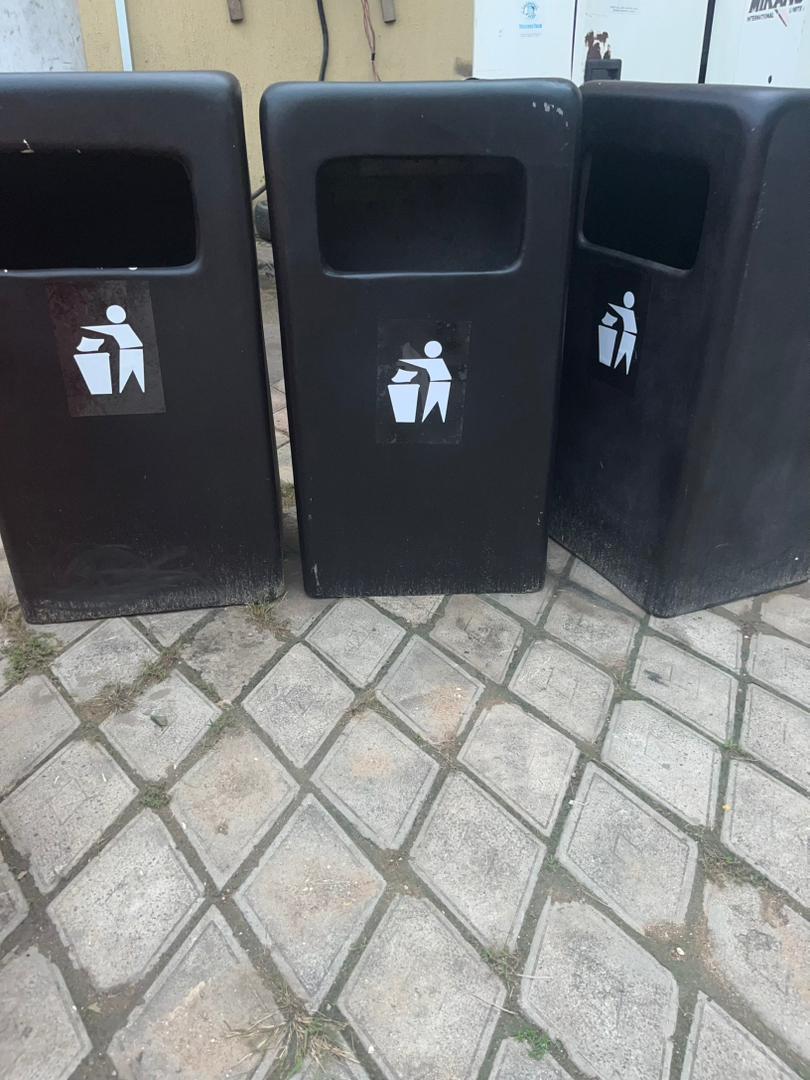
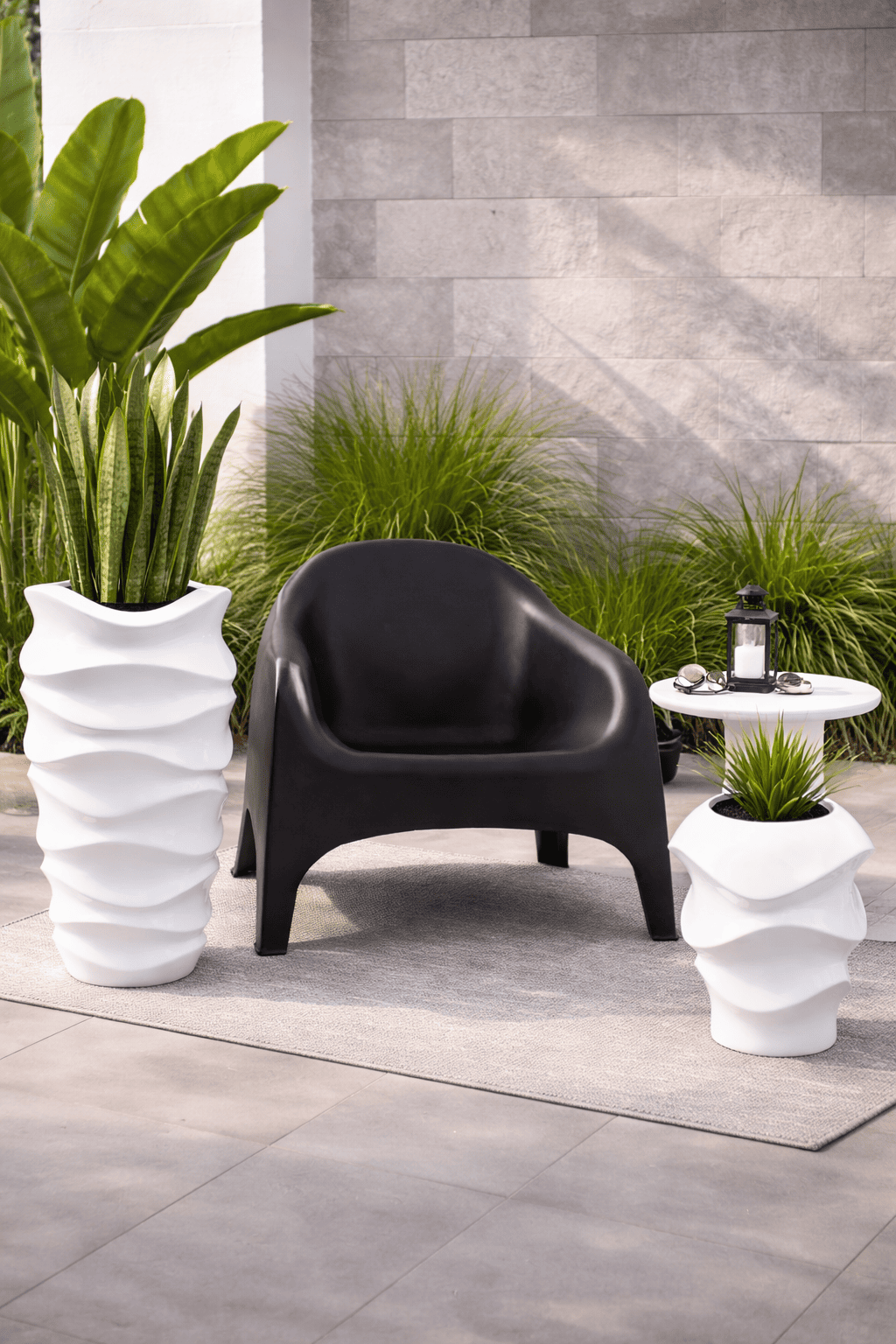
Whether the product is exposed to direct sunlight every day or installed in a demanding environment, fiberglass is designed to deliver reliable performance over the long term.
Not all fibreglass is manufactured the same.
The quality of a fiberglass product depends on more than the material itself.
The resin, manufacturing process, workmanship, and finishing all influence how well it withstands heat and outdoor conditions.
At Dipsy Fiberglass we manufacture fiberglass tanks, pools, planters, fountains, furniture, and custom products using quality materials and proven production techniques, helping ensure they remain durable, attractive, and dependable even in challenging climates.