
A material can look strong on the day it is installed and still become its weakest point a few years later.
Moisture, humidity, chemicals, and harsh weather gradually wear down many construction materials. The result is higher maintenance costs, reduced performance, and, in some cases, complete replacement.
That’s why corrosion resistance has become one of the first things engineers, architects, developers, and property owners look for when selecting products.
Among today’s construction materials, fiberglass stands out for its exceptional resistance to corrosion, making it a dependable choice for projects designed to perform for years with minimal maintenance.
Why Corrosion Resistance Matters
Corrosion affects more than appearance.
As materials deteriorate, they often lose strength, require more frequent maintenance, and become more expensive to repair or replace.
Choosing corrosion-resistant materials helps to:
- Extend the lifespan of products
- Reduce maintenance costs
- Improve long-term reliability
- Protect your investment
- Minimise unexpected repairs
For projects exposed to outdoor conditions or demanding environments, corrosion resistance isn’t simply an advantage; it’s essential.
Why Fiberglass Resists Corrosion
One of fiberglass‘ greatest strengths is that it doesn’t rust.
Unlike materials that require coatings or regular treatment to slow corrosion, fiberglass naturally withstands moisture and many harsh environmental conditions without breaking down.
Its unique composition allows it to maintain both its appearance and structural integrity over long periods of use.
Excellent Resistance to Moisture
Water is one of the biggest causes of material deterioration.
Fiberglass doesn’t rust or weaken simply because it’s exposed to rain, humidity, or constant moisture. This makes it particularly suitable for products that spend their entire lifespan outdoors. You may also want to read an article on why fiberglass roofing sheets are rain-ready:
https://dev.dipsyfiberglass.com/is-your-roof-ready-for-the-rainy-season-try-fiberglass/-the-rainy-season-try-fiberglass/
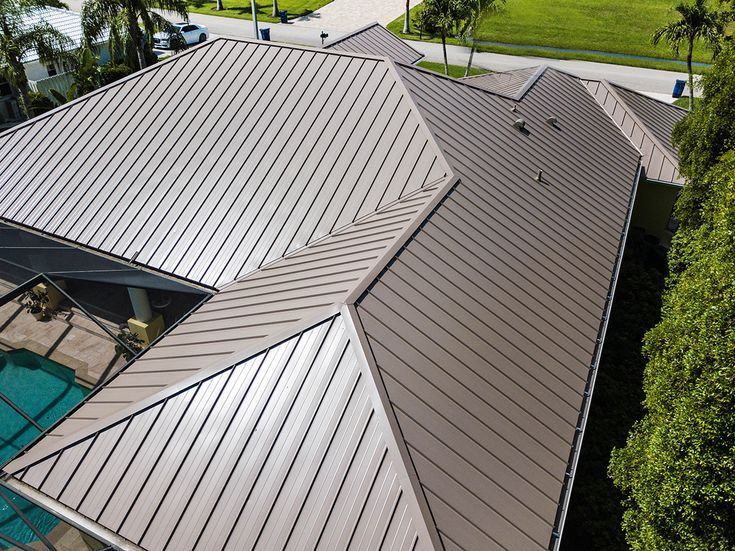
Why Fiberglass Is a Corrosion-Resistant Material
Performs Well in Chemically Demanding Environments
Industrial and commercial environments often expose products to chemicals that accelerate corrosion.
Fiberglass is widely trusted in these conditions because it resists many corrosive substances while maintaining its strength and durability.
Built for Outdoor Conditions
Outdoor products face constant exposure to:
- Rain
- Humidity
- UV radiation
- Heat
- Changing temperatures
Fiberglass performs reliably in these conditions, making it an excellent material for products expected to remain outdoors for many years.
Where Corrosion-Resistant Fiberglass Makes a Difference
Corrosion resistance is one of the reasons fiberglass is used to manufacture the following:
- Water storage tanks
- Swimming pools
- Decorative fountains
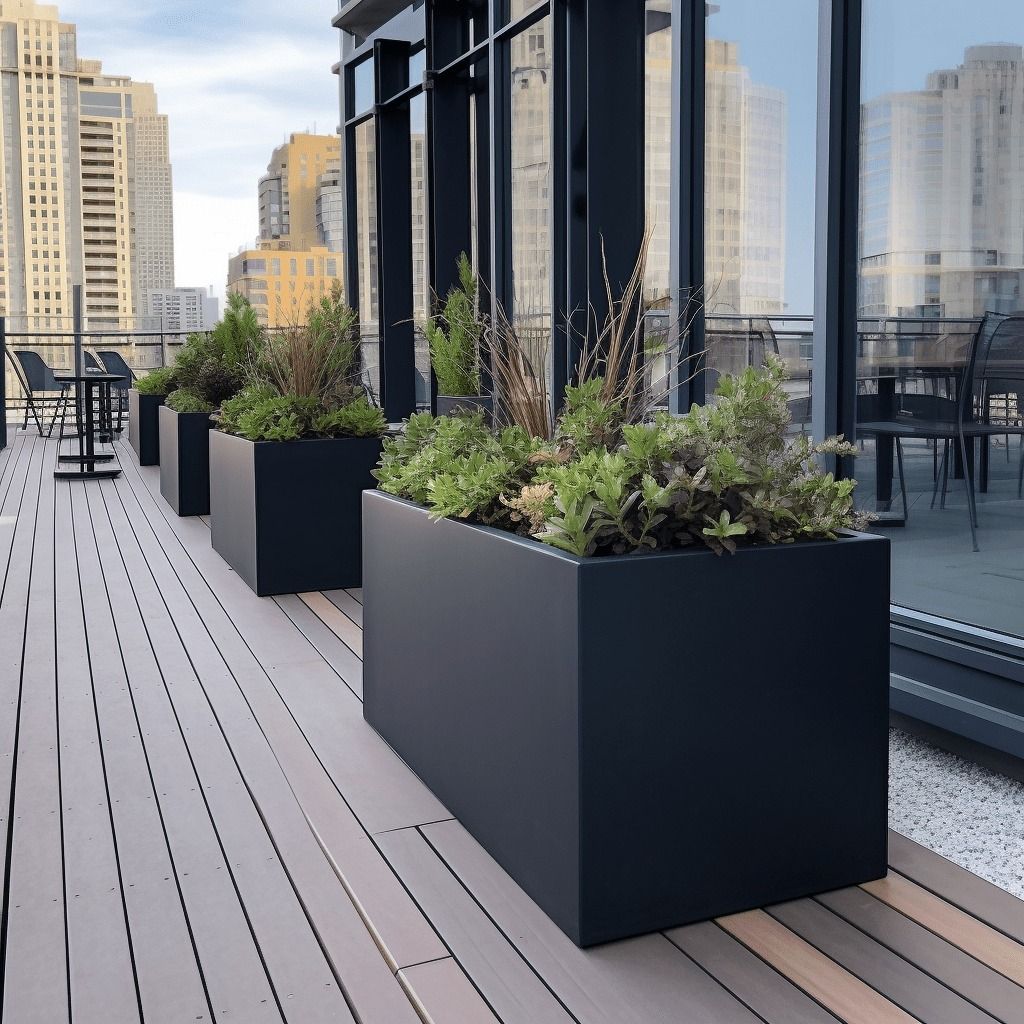
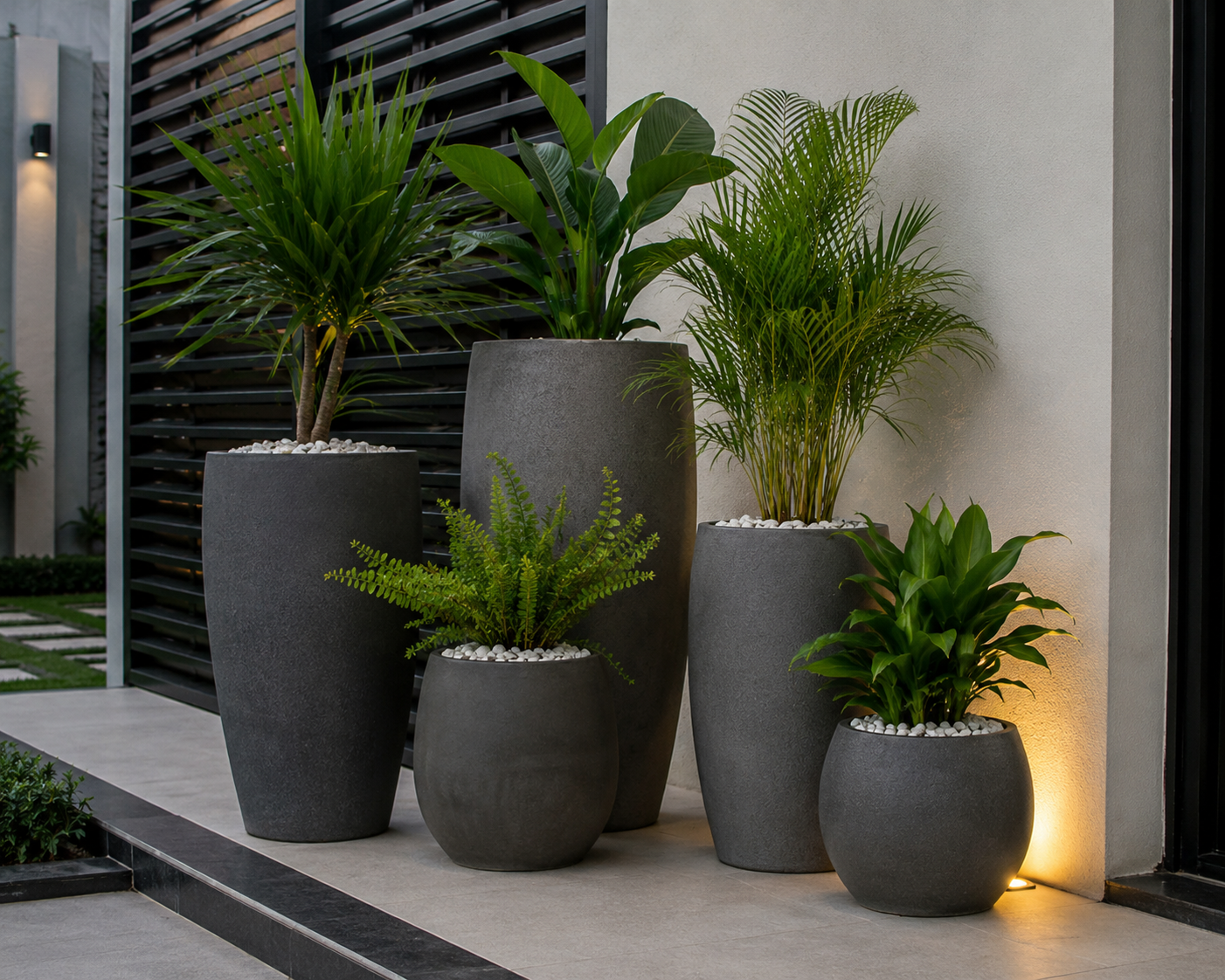
- Landscape planters
- Outdoor furniture
- Architectural features
- Industrial storage tanks
- Custom-fabricated products
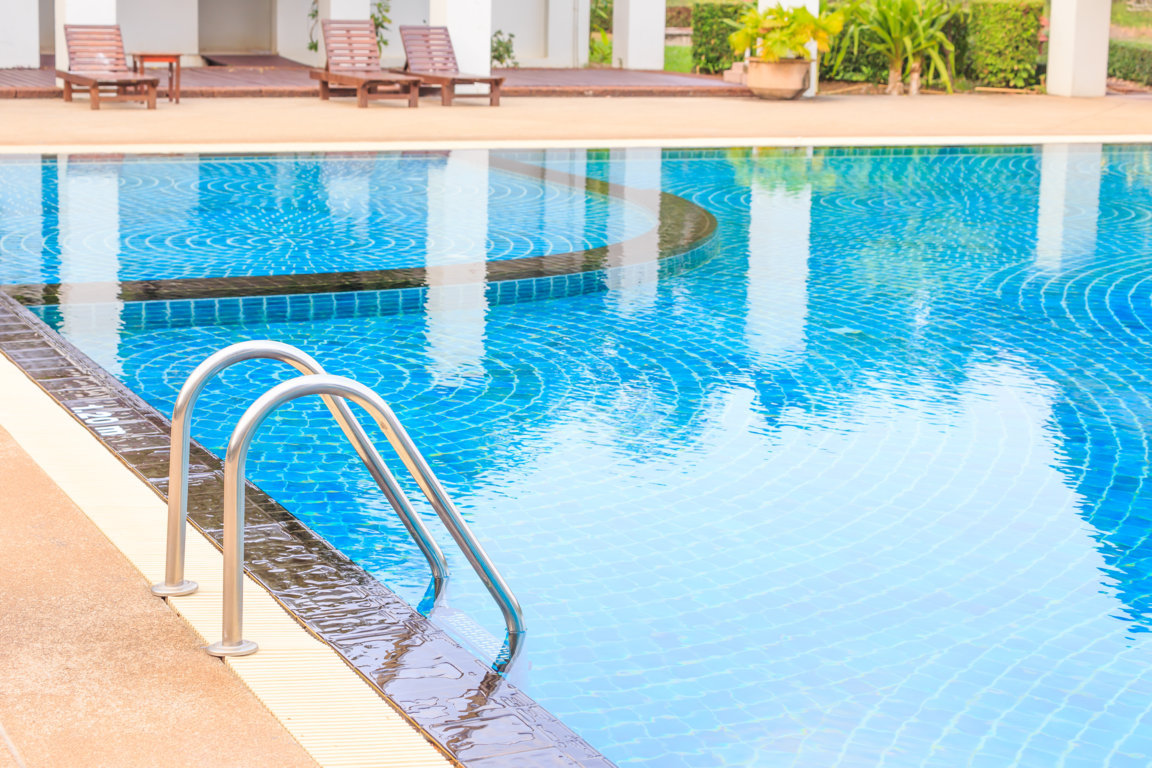
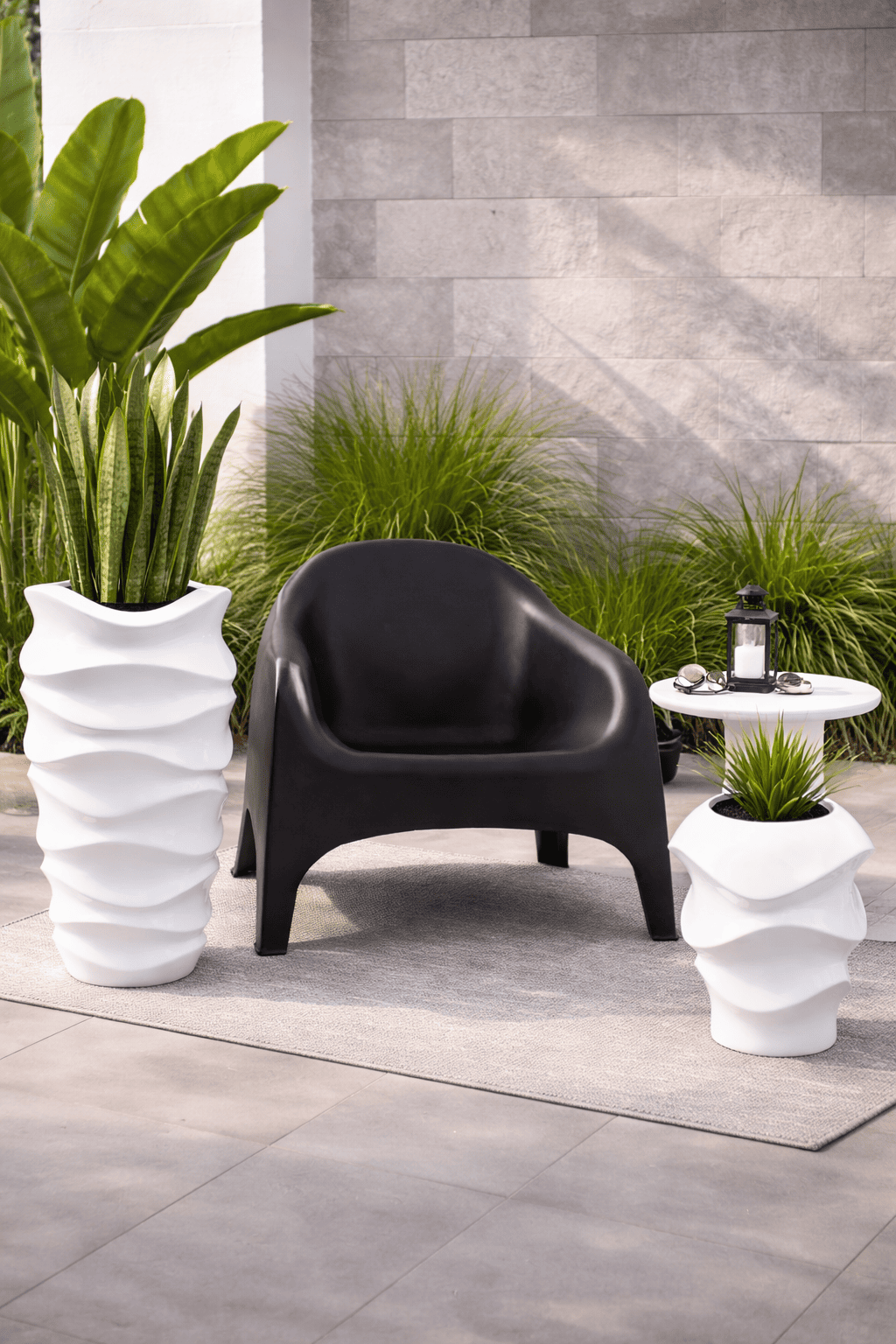
These products are often installed in environments where long-term durability is just as important as appearance.
Quality Manufacturing Matters
A fiberglass product’s ability to resist corrosion depends on more than the material alone.
The quality of the raw materials, resin system, fabrication process, and finishing all influence its long-term performance.
At Dipsy Fiberglass, corrosion resistance is engineered into every product we manufacture. From tanks and swimming pools to planters, fountains, furniture, and custom fiberglass solutions, our fabrication process is focused on delivering products that remain durable, functional, and visually appealing for years.
Why Fiberglass Is a Corrosion-Resistant Material