
It’s a fair question. After all, fiberglass is used in everything from swimming pools and planters to boats, utility equipment, and construction materials. If it’s found in so many environments, especially around water and electrical systems, it’s natural to wonder whether it conducts electricity.
The answer isn’t just about whether fiberglass can carry an electrical current. It also depends on what fiberglass is made of, how it behaves under different conditions, and why engineers and manufacturers continue to rely on it for applications where performance and safety matter.
Why doesn’t fiberglass conduct electricity?
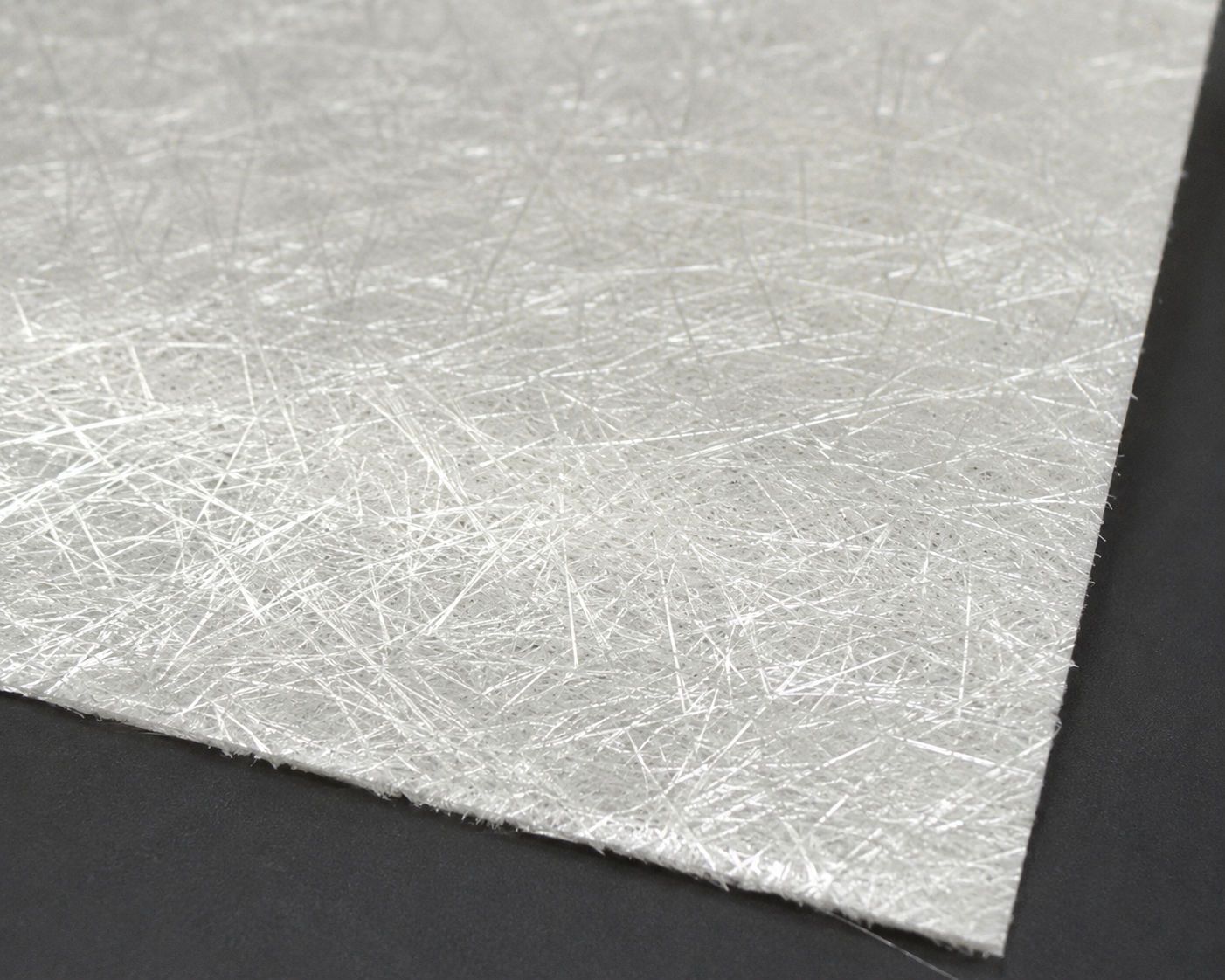
Fiberglass is made by combining fine glass fibres with a durable resin. Unlike metals such as steel, aluminium, or copper, glass fibres and resin do not allow electricity to flow easily.
Instead, fiberglass has a high electrical resistance. This means it resists the flow of electrical current rather than carrying it, making it an effective electrical insulator. This insulating property is one of the reasons fiberglass is widely used in products where electrical conductivity is not desirable.
Why is fiberglass used in electrical and outdoor applications?
Fiberglass is valued for much more than its insulating properties.
Because it is lightweight, corrosion-resistant, weather-resistant, and durable, it performs well in environments where many traditional materials deteriorate over time.
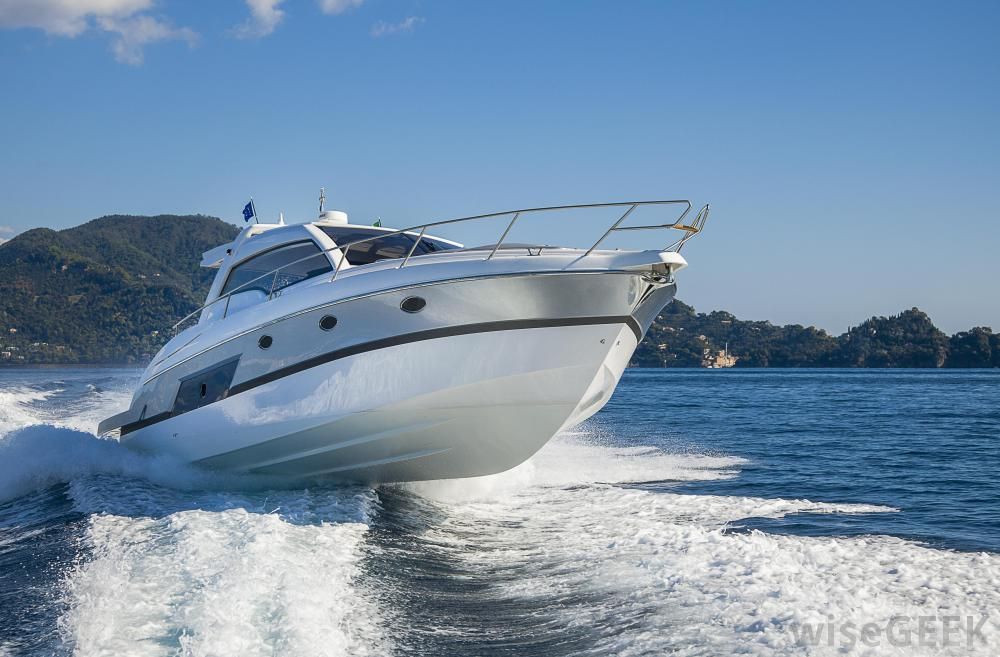
You’ll find fiberglass used in electrical enclosures, cable trays, utility poles, industrial ladders, swimming pools, water treatment equipment, boats, and outdoor planters. Its combination of strength and electrical insulation makes it a practical choice across residential, commercial, and industrial applications.

Can fiberglass ever conduct electricity?
Under normal conditions, fiberglass itself does not conduct electricity. However, certain conditions can affect how electricity behaves around it.
For example, if a fiberglass surface is covered in water containing dissolved salts or minerals, electrical current may travel across the moisture rather than through the fiberglass itself. Similarly, conductive contaminants such as metal dust or certain chemicals can reduce the insulating effectiveness of the surface.
It’s also important to distinguish standard fiberglass from specialised composite materials. Some engineered composites combine fiberglass with conductive materials such as carbon fibre, giving them different electrical properties.
Does this mean fiberglass products are electrically safe?
Not necessarily.
Although fiberglass itself is non-conductive, the safety of any product depends on much more than the material it is made from. Proper design, installation, maintenance, and compliance with relevant electrical safety standards all play an important role.
In other words, fiberglass provides an insulating advantage, but it should never replace safe electrical practices or professional installation where electricity is involved.
So, does fiberglass conduct electricity?
No. Under normal conditions, fiberglass does not conduct electricity. It is an electrical insulator that resists the flow of electrical current rather than carrying it.
This is one of the reasons fiberglass is widely used in products where electrical insulation is beneficial. However, factors such as moisture, surface contamination, product design, and proper installation can all influence electrical safety. While fiberglass itself is non-conductive, every application should still follow the appropriate safety standards and best practices.
Dipsy Fiberglass
At Dipsy Fiberglass, we manufacture high-quality fiberglass products designed for long-term performance. From premium fiberglass swimming pools and stylish planters to custom fiberglass solutions, our products combine strength, durability, and weather resistance to meet the demands of residential, commercial, and industrial projects.
With years of experience working with fiberglass, we’re committed to delivering products that combine lasting performance with exceptional craftsmanship, helping homeowners, businesses, and developers invest in solutions built to stand the test of time.