Some materials earn their reputation because they’ve been around for decades. Others gain popularity because they solve problems that traditional materials struggle with.
Steel and fibreglass fall into both categories.
They’re used across construction, manufacturing, landscaping, transportation, and architectural projects because they are known for strength and durability. But when longevity is the priority, which material actually lasts longer?
The answer isn’t as straightforward as many people think.
While steel has long been associated with toughness, fibreglass has emerged as a serious contender—particularly in environments where moisture, corrosion, and ongoing maintenance are concerns.
Let’s take a closer look at how these two materials compare.
What Determines How Long a Material Lasts?
Before comparing fibreglass and steel, it’s worth defining what “lasting longer” really means.
A material’s lifespan isn’t just about whether it remains standing after several years. It also depends on:
- Resistance to weather
- Corrosion and rust protection
- Structural integrity over time
- Maintenance requirements
- Exposure to chemicals and moisture
- Long-term performance in demanding environments
A material that requires frequent repairs or replacement parts may not offer the same value as one that continues performing with minimal intervention.
With that in mind, let’s compare fibreglass and steel where it matters most.
The Challenge Steel Faces: Corrosion
Steel is incredibly strong, which is why it remains a popular choice across many industries.
However, steel has one well-known weakness: rust.
When exposed to moisture and oxygen over time, steel can corrode unless it is properly coated, galvanised, or maintained. In coastal regions, industrial environments, and areas with high humidity, corrosion can accelerate significantly.
This doesn’t mean steel is a poor material. Far from it.
But it does mean that its lifespan is often tied to how well it is protected and maintained throughout its service life.
Without proper care, corrosion can gradually weaken both appearance and performance.
Why Fibreglass Performs Differently
Unlike steel, fiberglass does not rust.
Because it is a composite material made from glass fibres and resin, it is naturally resistant to corrosion. Exposure to rain, humidity, and many chemicals has far less impact on fibreglass than it does on untreated metal.
This makes fibreglass particularly valuable in environments where moisture is unavoidable.
Common applications include:
- Outdoor architectural features
- Industrial equipment housings
- Water treatment facilities
- Landscaping products
- Marine environments
- Construction components
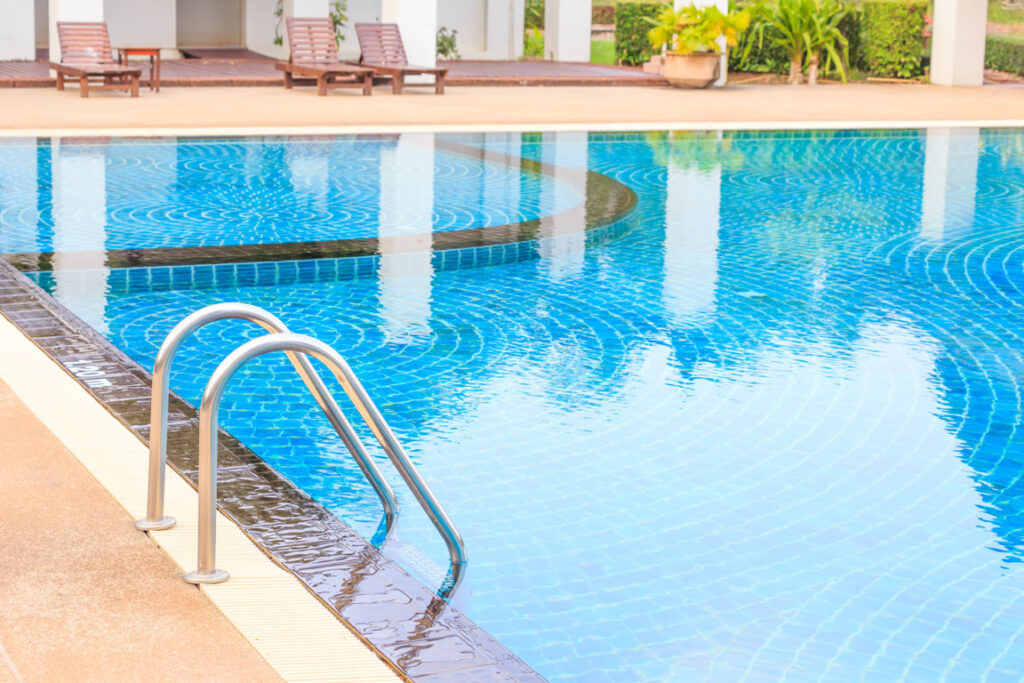
In many of these settings, corrosion resistance can have a direct impact on lifespan.
Maintenance: The Hidden Factor in Longevity
When people compare materials, they often focus on strength while overlooking maintenance.
Yet maintenance can significantly influence how long a product remains functional and attractive. Steel frequently requires:
- Protective coatings
- Rust treatment
- Repainting
- Surface inspections
- Periodic repairs
Fiberglass generally requires far less intervention.
Because it resists corrosion and weather-related deterioration, routine cleaning is often enough to maintain its appearance and performance.
Over the years, this reduction in maintenance can translate into lower costs and fewer operational disruptions.
How Do They Handle Outdoor Conditions?
Outdoor environments are often where material differences become most noticeable.
Steel can perform exceptionally well outdoors when properly treated. However, prolonged exposure to moisture, salt, chemicals, or fluctuating temperatures can increase maintenance requirements.
Fibreglass is naturally suited to outdoor use because it does not absorb moisture in the same way many traditional materials do.
This is one reason fibreglass is increasingly used for the following:
- Outdoor furniture
- Decorative architectural elements
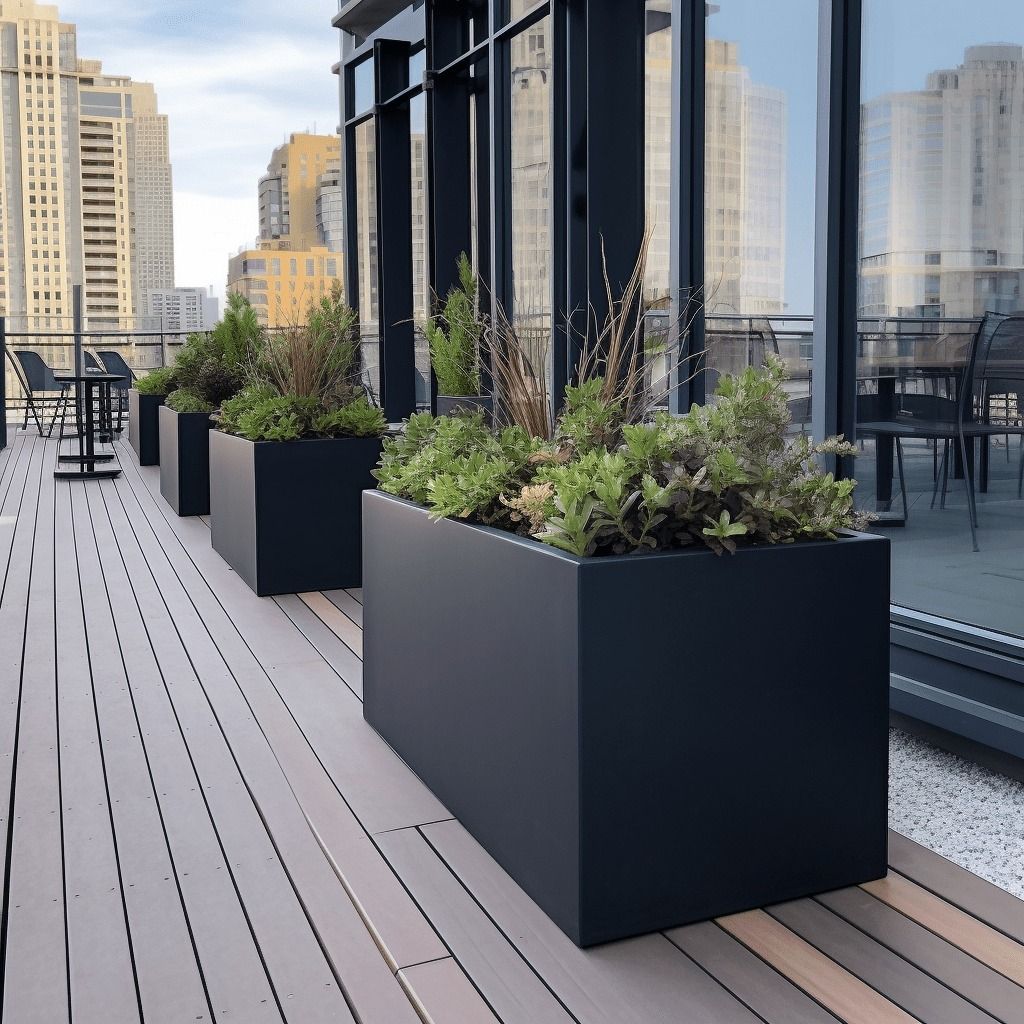
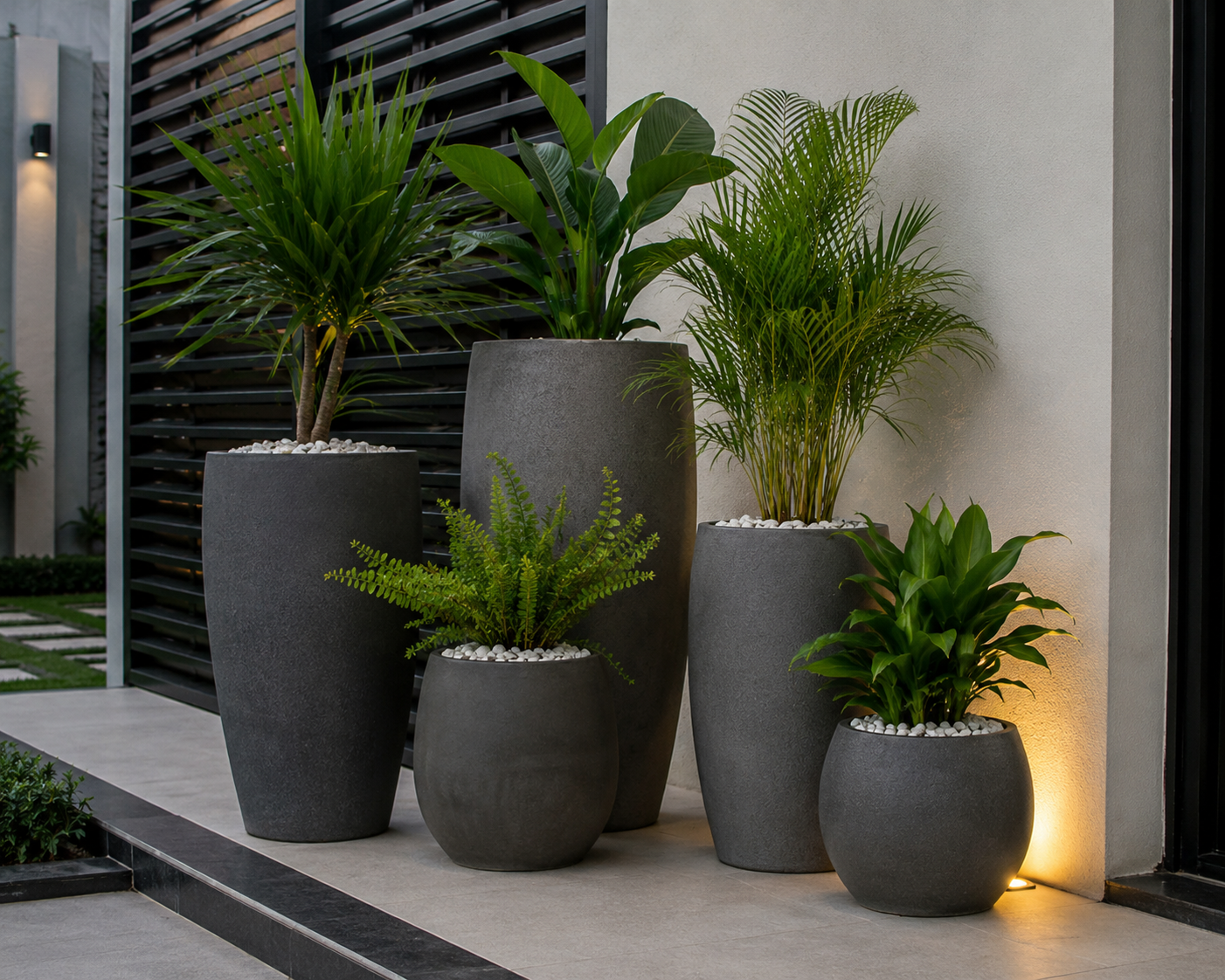
- Planters
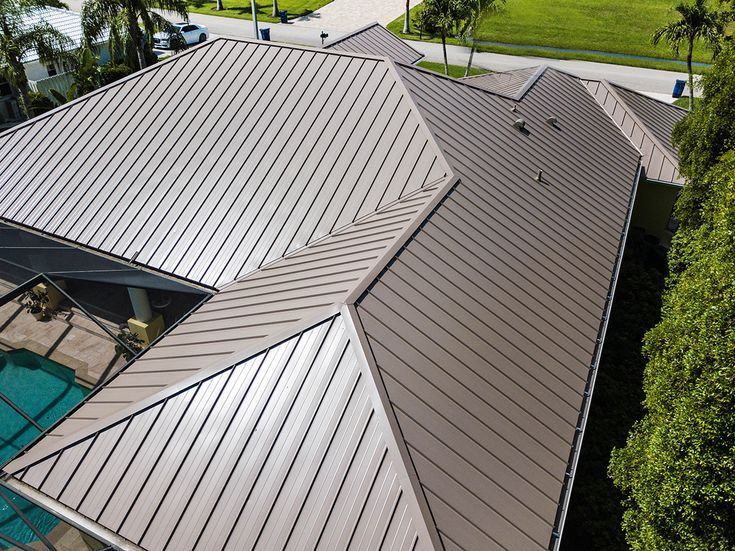
- Cladding components
- Signage structures
- Landscape features
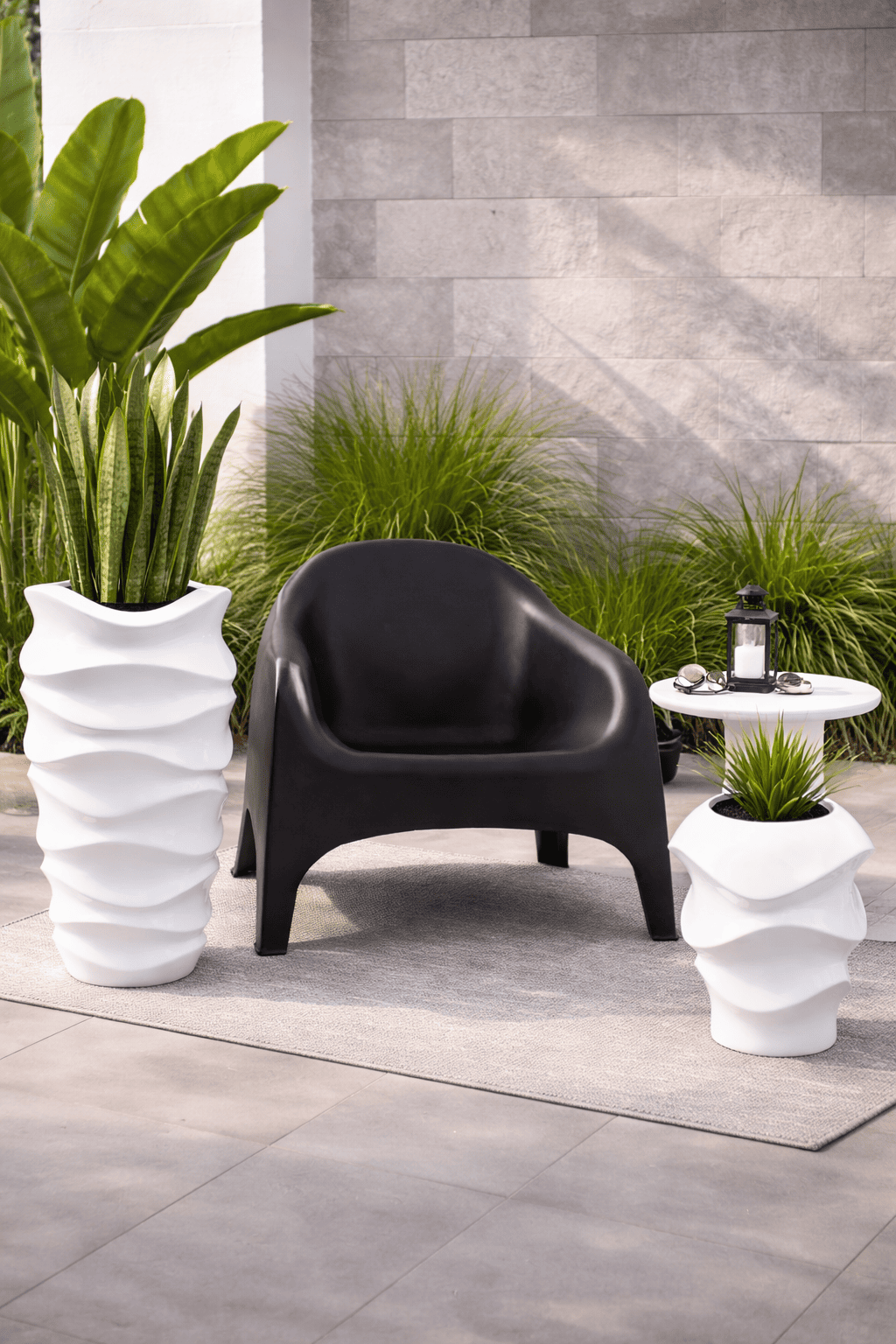
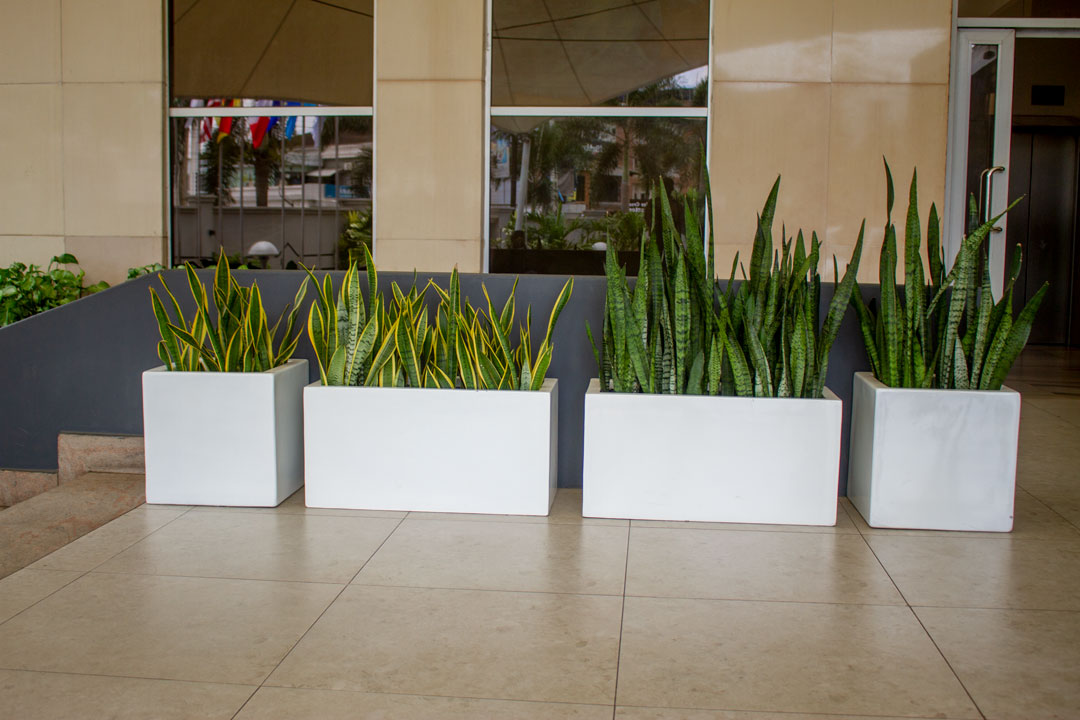
For projects that are expected to remain outdoors year-round, durability against environmental conditions becomes a major advantage.
Strength Isn’t the Same as Longevity
One common misconception is that the strongest material automatically lasts the longest. In reality, durability depends on more than raw strength.
Steel generally offers higher load-bearing capacity and impact resistance. For structural applications that demand exceptional strength, steel often remains the preferred choice.
However, longevity depends on how a material performs throughout its lifetime.
A material that resists corrosion, requires less maintenance, and maintains its integrity in challenging conditions may ultimately deliver a longer service life in certain applications.
This is where fibreglass frequently stands out.
Which Material Lasts Longer?
The answer depends on the environment and application.
If a project requires maximum structural strength and is properly maintained, steel can provide decades of reliable performance.
However, in environments where moisture, chemicals, and weather exposure are ongoing concerns, fibreglass often maintains its condition for longer with significantly less maintenance.
In many outdoor, architectural, industrial, and landscaping applications, this gives fibreglass a clear advantage when long-term durability is the primary goal.
The Growing Preference for Fibreglass
As industries look for materials that combine performance with lower lifecycle costs, fibreglass continues to gain attention.
Its ability to resist corrosion, reduce maintenance demands, and perform reliably in harsh conditions makes it a practical solution for a wide range of projects.
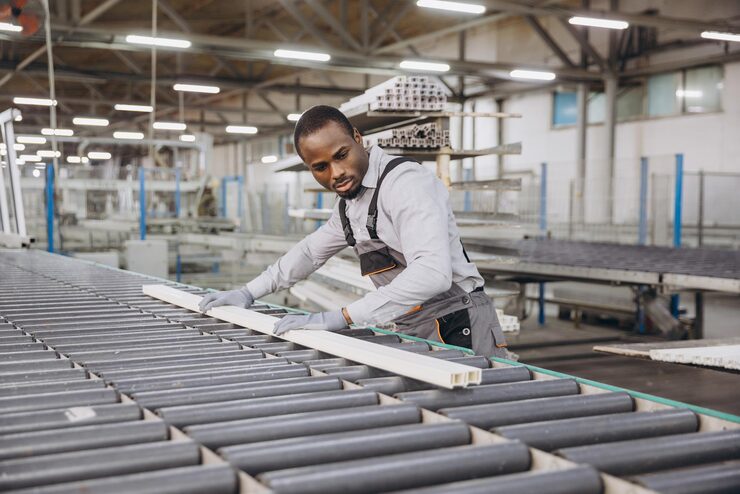
At Dipsy Fiberglass, we have seen increasing demand for fibreglass products from businesses and individuals seeking durable alternatives to traditional materials. For construction, landscaping, or custom fabrication, fibreglass offers a balance of longevity, versatility, and performance that is difficult to ignore, and we are the best at manufacturing fiberglass products