
Walk through any modern estate, commercial space, or landscaped garden today, and you’ll notice something quietly changing the way spaces are built and styled. Fiberglass is no longer just an industrial material used behind the scenes; it is now shaping how buildings look, how outdoor spaces function, and how designers think about durability and form.
What makes it interesting is not just what fiberglass is, but what it replaces: heavy concrete, rust-prone metal, and high-maintenance wood. Across construction, landscaping, and outdoor design, it is rewriting the rules of practicality and aesthetics at the same time.
1. Why Fiberglass Is Gaining Ground in Modern Construction
Construction has always been a balancing act between strength, cost, and speed. Fiberglass is shifting that balance.
Unlike traditional materials, fiberglass is lightweight but structurally strong. This means builders can move and install components faster without compromising durability. It also reduces the need for heavy machinery in some applications, cutting down project costs and time.
Another major advantage is resistance. Fiberglass does not corrode like metal or rot like wood. In environments exposed to moisture, chemicals, or changing weather conditions, this makes it a long-term performer rather than a recurring maintenance headache.
You’ll now find fiberglass used in:
- Wall panels and cladding systems
- Roofing components
- Architectural mouldings and decorative features
- Structural reinforcements in hybrid builds
The shift is simple: less maintenance, longer lifespan, cleaner finishes.
2. How Fiberglass Is Redefining Landscaping Design
Landscaping used to be dominated by stone, concrete, and ceramic features. These materials are beautiful but often rigid, both in weight and design limitations.
Fiberglass introduces flexibility.
Because it can be moulded into almost any shape, designers now have the freedom to create modern, minimalist, or highly expressive outdoor landscapes without worrying about material constraints.
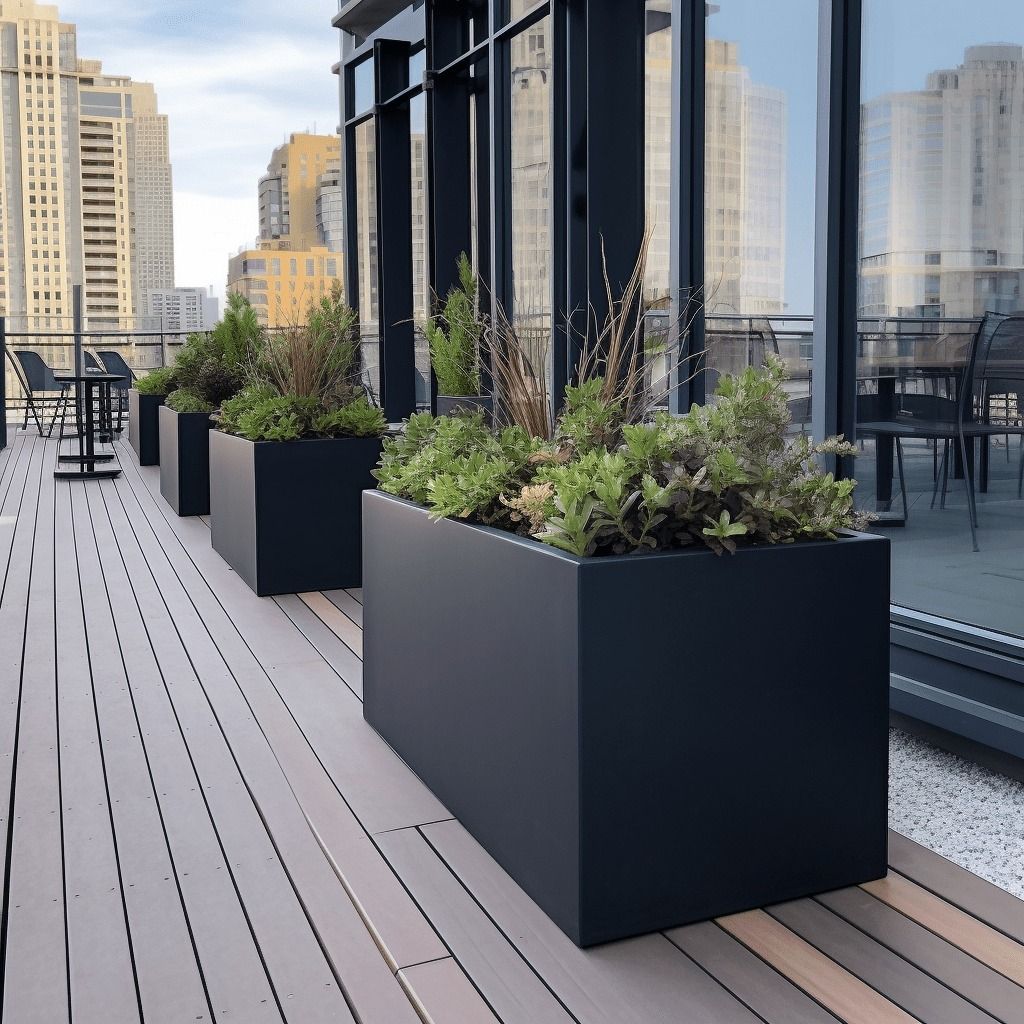
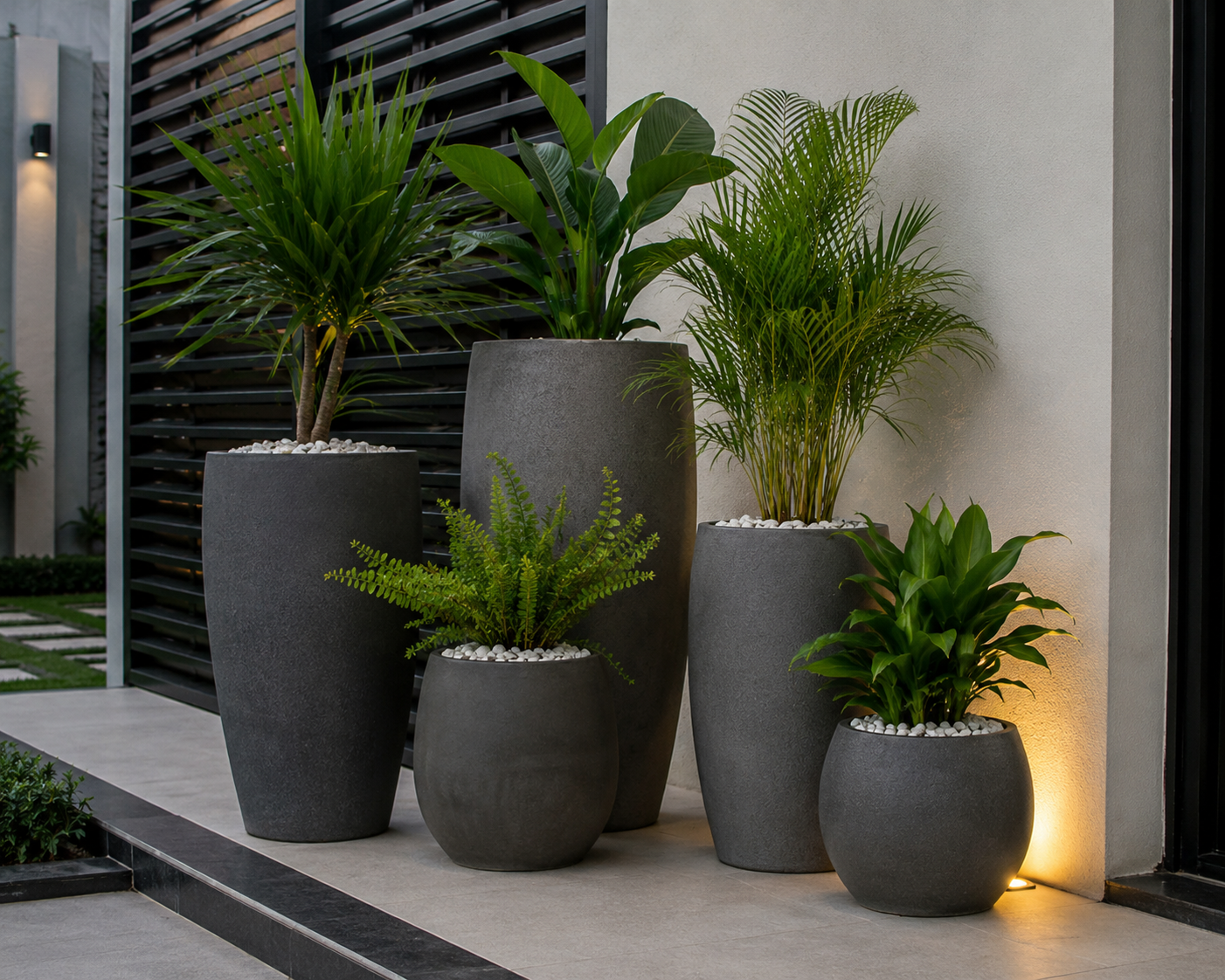
One of the most visible changes is in planters and garden structures. Fiberglass planters, for example, are becoming a preferred choice in residential and commercial landscaping because they:
- Are lightweight and easy to reposition
- Withstand rain, heat, and UV exposure without cracking
- Offer clean, modern finishes suitable for contemporary design themes
- Require minimal maintenance compared to clay or concrete
This is why many urban gardens, hotels, and corporate outdoor spaces are transitioning toward fibreglass-based landscaping elements. It supports both aesthetics and practicality in one material system.
3. Outdoor Design Is Becoming More Functional and Minimalist

Outdoor design is no longer just about decoration; it’s about function meeting visual identity. Fiberglass plays a key role in that shift.
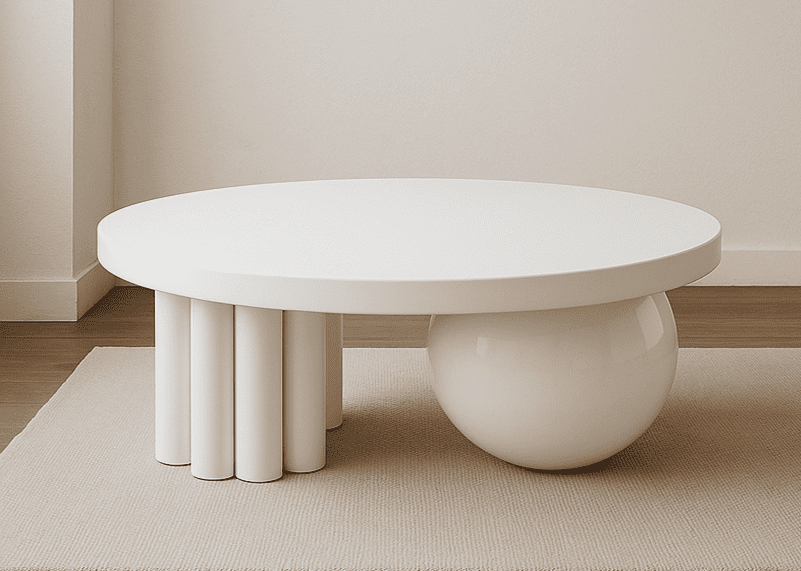
Designers are now using fiberglass to create outdoor environments that feel curated but not overcomplicated. From seating structures to decorative installations, the material allows for smooth finishes, bold shapes, and long-lasting colour retention.
In climates with heavy rainfall or intense sunlight, traditional materials often fade, crack, or degrade. Fiberglass holds its form and appearance far longer, making it ideal for exterior environments where durability matters just as much as design.
This is particularly relevant in modern commercial spaces such as the following:
- Hotels and resorts
- Office landscapes
- Shopping complexes
- Private luxury residences
4. The Sustainability Angle Most People Overlook
While fiberglass is not always the first material associated with sustainability, its long lifecycle changes the equation.
Because it lasts significantly longer than many traditional alternatives, it reduces the frequency of replacement. That means fewer resources consumed over time and less waste generated from repeated reconstruction or refurbishment.
In addition, its lightweight nature reduces transportation energy costs compared to heavier materials like stone or concrete.
Sustainability today is not only about what a material is made of, but it’s also about how long it lasts and how efficiently it performs over time. Fiberglass scores strongly in that second category.
5. The Future: Smarter, Lighter, More Adaptive Spaces
The growing adoption of fiberglass signals a broader shift in how we design physical environments. We are moving away from materials that demand constant upkeep and toward materials that support long-term efficiency.
In the coming years, expect to see fiberglass used even more in:
- Modular construction systems
- Smart urban landscaping
- Lightweight architectural facades
- Custom outdoor installations
However, there are more industries using fiberglass than you realise. Don’t miss out on its magic! Get more information in our article: 10 Industries That Use Fiberglass Because It Works So Well
Brands and manufacturers like Dipsy Fiberglass are already pushing this evolution by producing tailored fiberglass solutions for modern construction and landscaping needs.