
Weight influences almost every stage of a construction project.
It affects transportation costs, installation time, structural design, labour requirements, and even long-term maintenance. That’s why architects, engineers, developers, and contractors are paying closer attention to lightweight building materials—materials that reduce unnecessary weight without compromising strength.
Among these materials, fiberglass has become one of the most reliable choices.
From water tanks and swimming pools to planters, fountains, roofing components, and custom architectural features, fiberglass continues to prove that a material doesn’t have to be heavy to deliver exceptional performance.
What Are Lightweight Building Materials?
Lightweight building materials are materials engineered to reduce the overall weight of a structure while maintaining the strength and durability required for construction. The goal isn’t simply to make buildings lighter. The goal is to make them more efficient. Fiberglass achieves exactly that.
Despite being considerably lighter than many traditional construction materials, fiberglass offers impressive structural strength, making it suitable for applications where durability and long-term performance are essential.
Why Fiberglass Is Considered One of the Best Lightweight Building Materials
1. High Strength Without Excess Weight
One of fiberglass’ greatest advantages is its excellent strength-to-weight ratio.
It remains remarkably strong while being much lighter than many conventional materials. This makes fiberglass easier to transport, easier to install, and easier to work with, without sacrificing structural integrity.
Whether it’s a large water tank or a decorative outdoor feature, fiberglass maintains its strength without adding unnecessary load.
2. It Doesn’t Rust or Corrode
Buildings are constantly exposed to moisture, rain, humidity, and changing weather conditions.
Unlike materials that rust or deteriorate over time, fiberglass naturally resists corrosion.
This makes it an excellent choice for:
- Water storage tanks
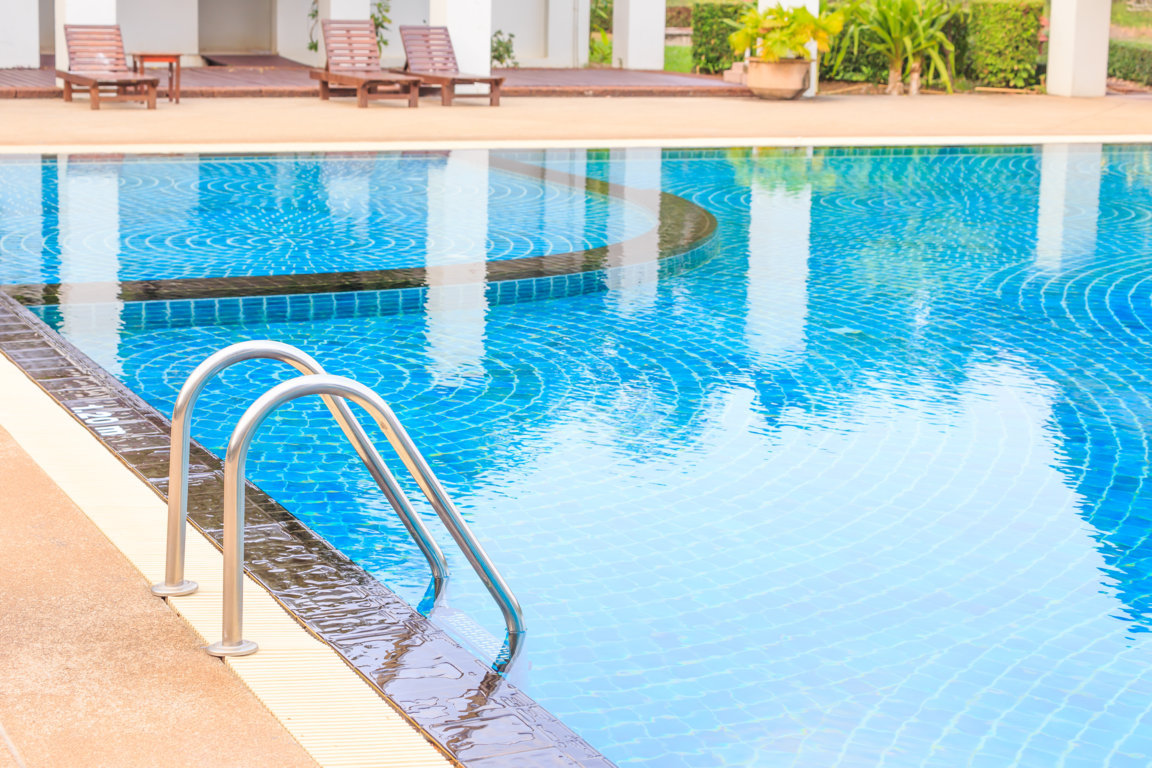
- Swimming pools
- Outdoor furniture
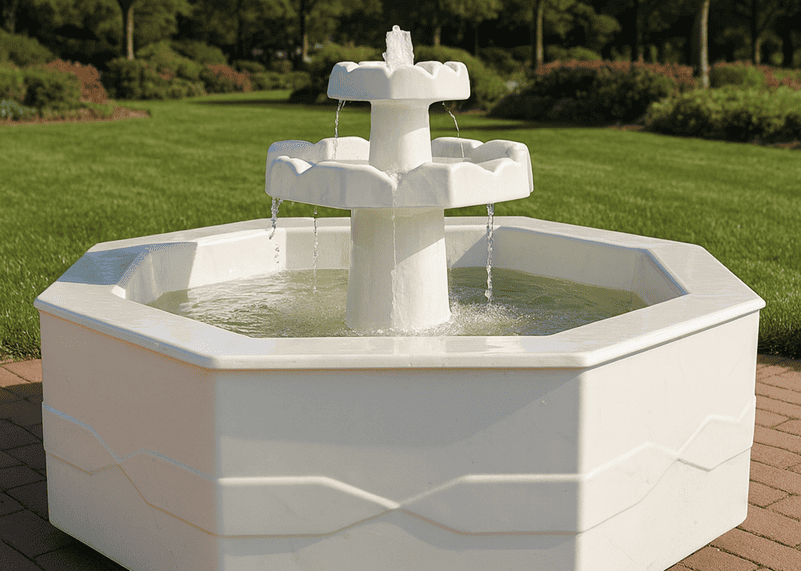
- Decorative fountains
- Landscape products
- Coastal and high-humidity environments
Its resistance to corrosion also means lower maintenance costs throughout its lifespan.

3. Built to Handle Harsh Weather
Sunlight, heavy rainfall, humidity, and fluctuating temperatures can shorten the lifespan of many construction materials.
Fiberglass performs exceptionally well in outdoor conditions.
It resists:
- UV exposure
- Moisture
- Heat
- Weather-related deterioration
This reliability makes fiberglass suitable for projects that are expected to perform for many years with minimal maintenance.
4. Design Freedom Without Compromise
Construction is no longer only about function.
Modern developments demand products that are both durable and visually appealing.
One of fiberglass’ biggest advantages is that it can be moulded into almost any shape while maintaining its strength.
This allows manufacturers to produce:
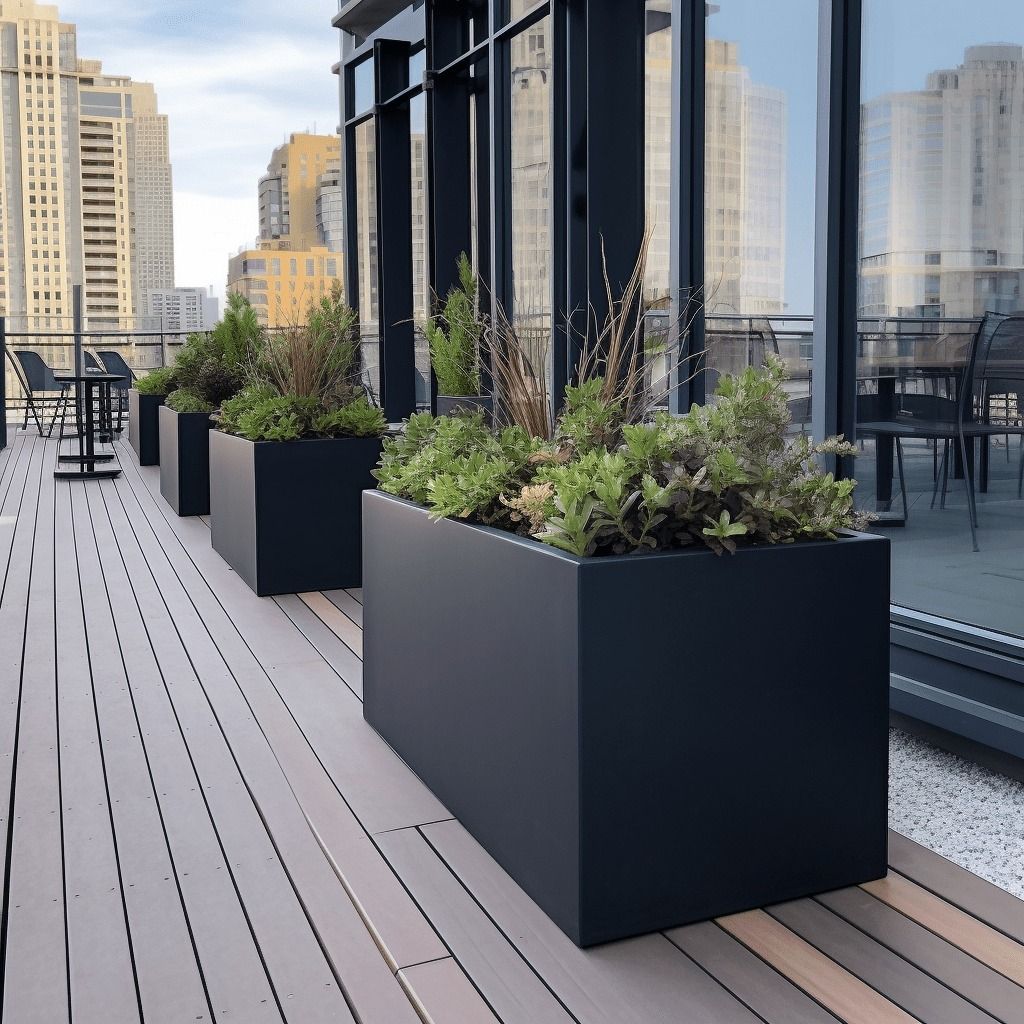
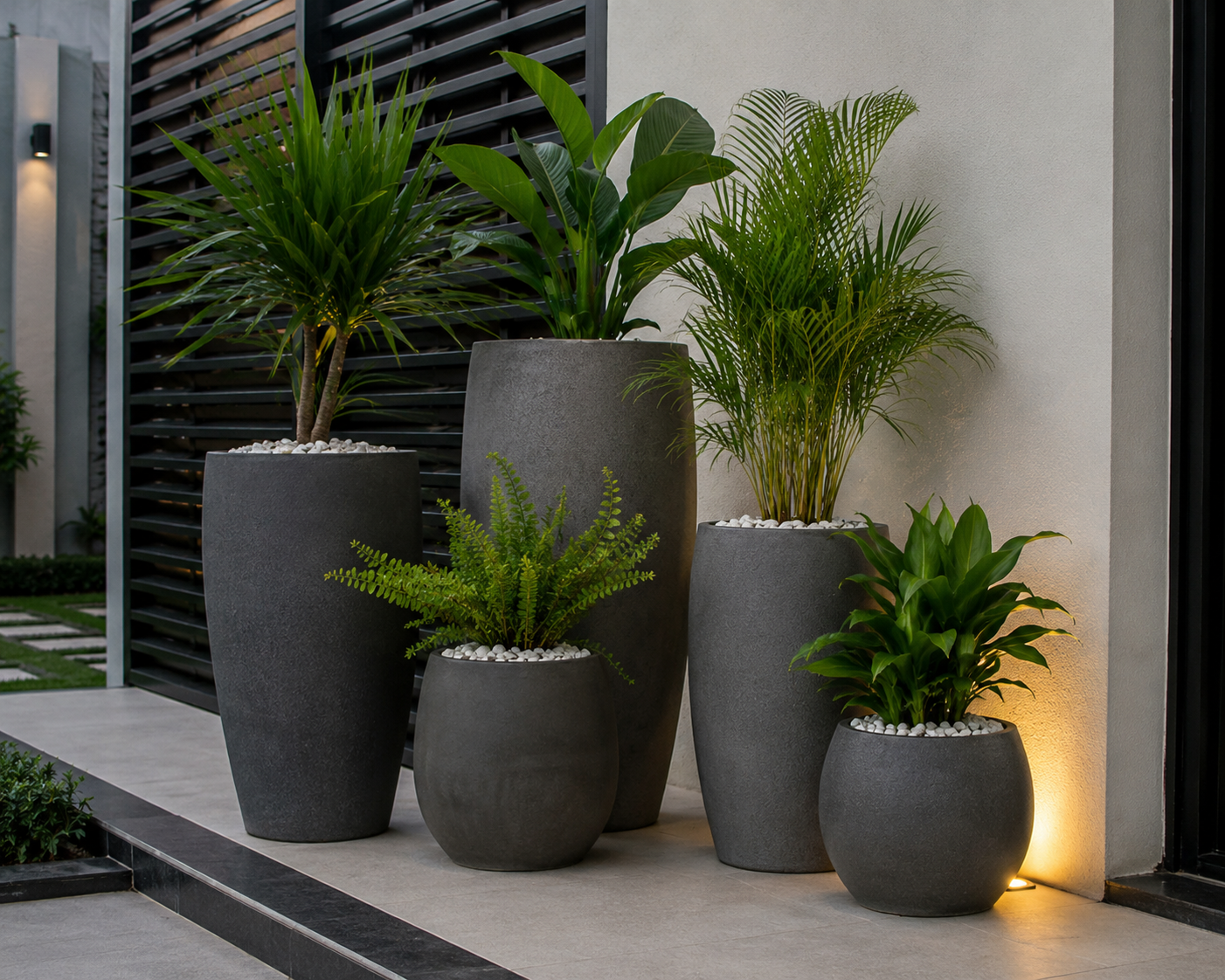
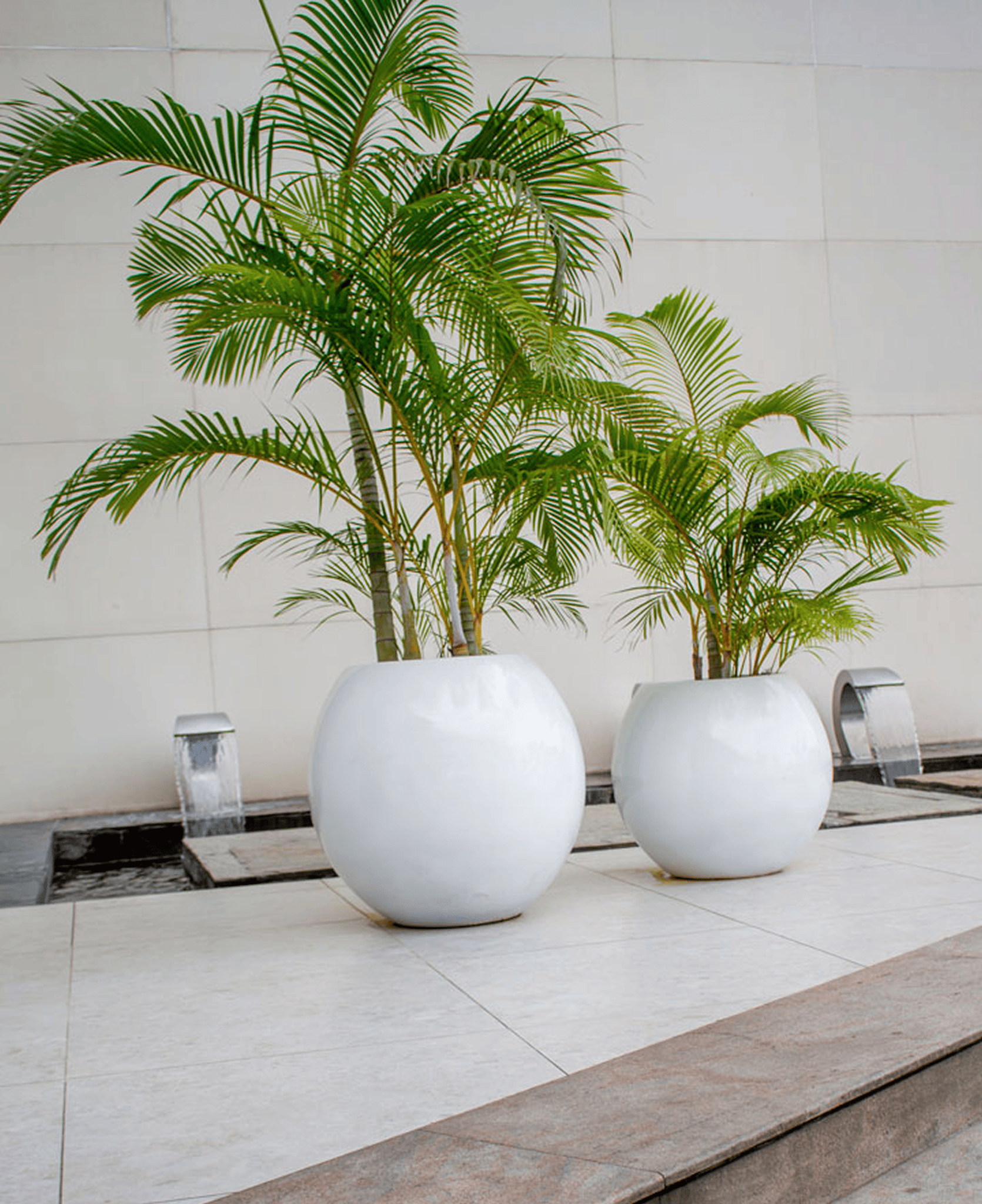
- Contemporary planters . You’ll like to read more on how fiberglass planters are the best decorative element for business spaces. Why Fiberglass Planters are Best for Commercial Spaces
- Decorative fountains
- Elegant outdoor furniture
- Curved architectural elements
- Custom-built products
- Unique commercial installations
Instead of forcing designers to work around the material, fiberglass adapts to the design. Conclusively, on this heading, here’s how fiberglass materials enhance your business visually. 5 Ways Fiberglass Can Elevate Your Business Visibility
5. Low Maintenance Throughout Its Lifespan
Maintenance is an ongoing cost that many project owners underestimate.
Fiberglass requires very little routine maintenance because it does not:
- Rust
- Rot
- Warp
- Absorb water
- Require frequent surface treatments
For commercial properties, hotels, residential developments, and public spaces, this translates into lower maintenance expenses over time.
6. A Long-Term Investment
The lowest purchase price doesn’t always result in the lowest overall cost.
Fiberglass products are designed to deliver years—even decades—of reliable performance when properly manufactured and installed.
Because they resist weather, corrosion, and everyday wear, they often require fewer repairs and fewer replacements than many traditional alternatives.
Over time, that durability makes fiberglass an excellent long-term investment.
Where Fiberglass Is Used in Modern Construction
Fiberglass has become a preferred material across numerous industries because of its versatility.
Common applications include:
- Water storage tanks
- Swimming pools
- Decorative fountains
- Landscape planters
- Outdoor furniture
- Roofing components
- Architectural mouldings
- Industrial storage systems
- Commercial landscaping features
- Custom fiberglass products
Its ability to combine strength, durability, and attractive finishes makes it suitable for projects of every size.
Why More Developers Are Choosing Fiberglass
Developers are increasingly looking beyond the initial purchase price.
They want products that:
- Last longer
- Reduce maintenance
- Maintain their appearance
- Perform well outdoors
- Offer greater design flexibility
- Deliver long-term value
Fiberglass checks every one of these boxes.
That’s why it continues to be specified for residential estates, hotels, commercial buildings, recreational facilities, and industrial developments.
Here at Dipsy Fiberglass, lightweight construction isn’t just a feature; it’s part of how we engineer every product.
For years, we’ve manufactured premium fiberglass solutions that combine durability, precision craftsmanship, and exceptional aesthetics.
Our range includes:
- Fiberglass water tanks
- Swimming pools
- Decorative fountains
- Premium planters
- Outdoor furniture
- Custom fiberglass products made to specification
Every product is manufactured with high-quality materials and attention to detail, ensuring it performs reliably in demanding environments while maintaining its appearance for years.